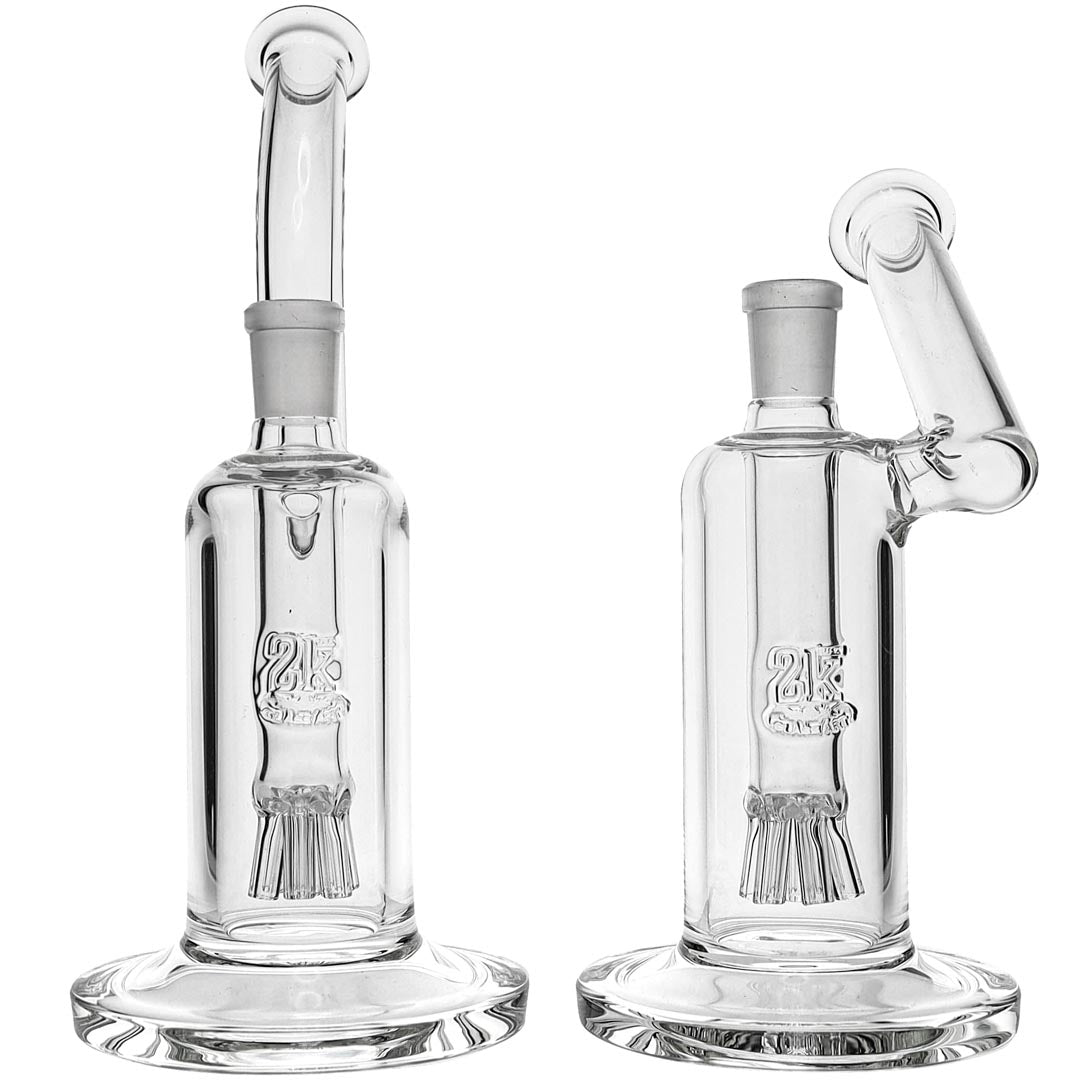
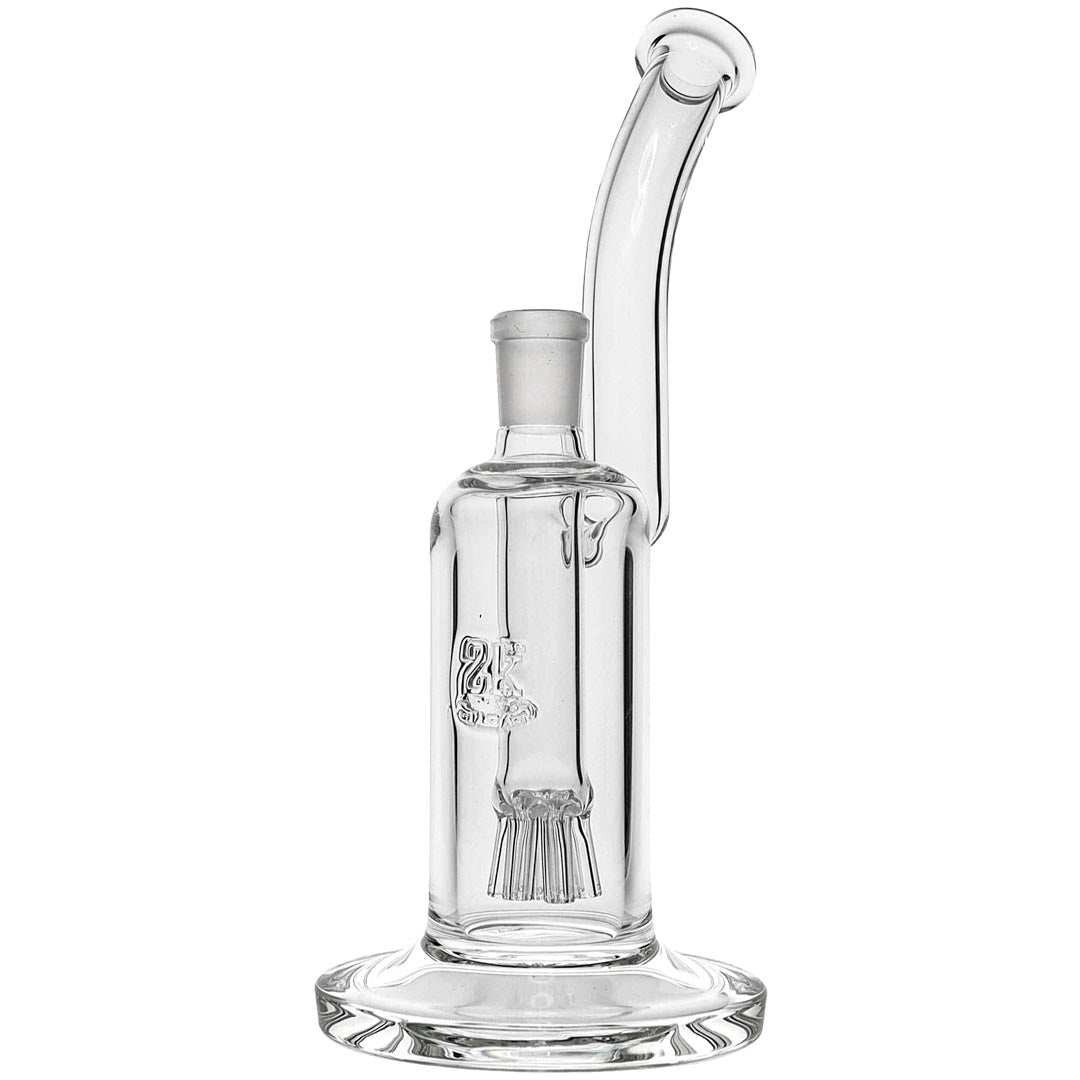
Choose Your Airflow
Fewer, larger openings usually pull more freely; dense grids favor maximum diffusion.

Product added to cart
More bubbles. Cooler smoke. Smoother pulls.
Shop percolator bongs engineered to break smoke into smaller bubbles, increase cooling, and soften every draw without sacrificing flavor or airflow.

Compare the function
 Tree Percs
Multiple slitted arms create broad, classic diffusion.
Showerhead Percs
Radial slits spread airflow into an even ring of bubbles.
Tree Percs
Multiple slitted arms create broad, classic diffusion.
Showerhead Percs
Radial slits spread airflow into an even ring of bubbles.
 Inline Percs
Horizontal diffusion built for open, high-flow pulls.
Inline Percs
Horizontal diffusion built for open, high-flow pulls.
 Matrix & Disc Percs
Dense hole patterns deliver high-volume, 360-degree filtration.
Matrix & Disc Percs
Dense hole patterns deliver high-volume, 360-degree filtration.
Find the right filtration
Fewer, larger openings usually pull more freely; dense grids favor maximum diffusion.
Single percs keep the path simple. Stacked and multi-perc designs add cooling with more resistance.
Compare height, joint size, water level, splash protection, and how easily the perc can be cleaned.
Scientific glass specialists
221 products


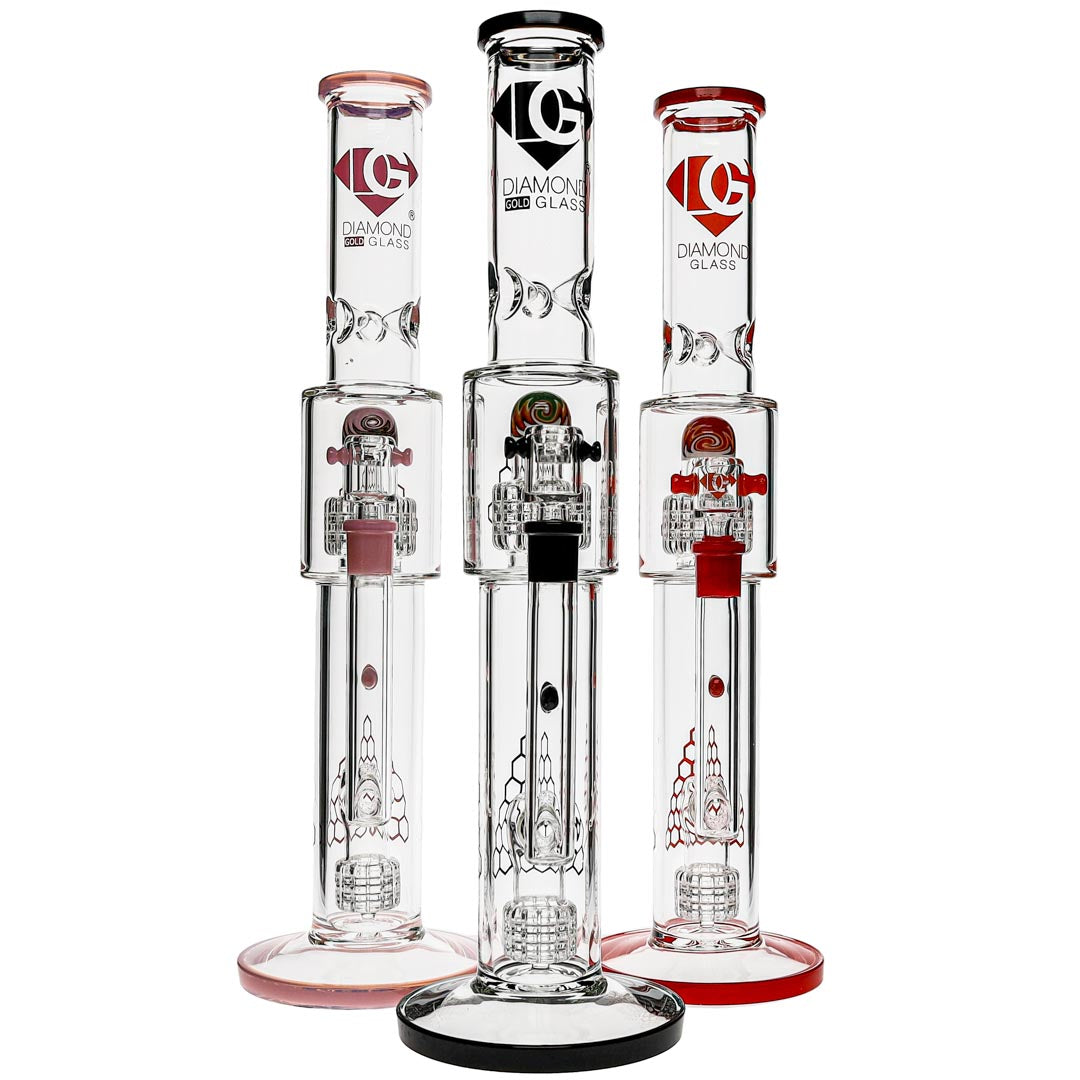
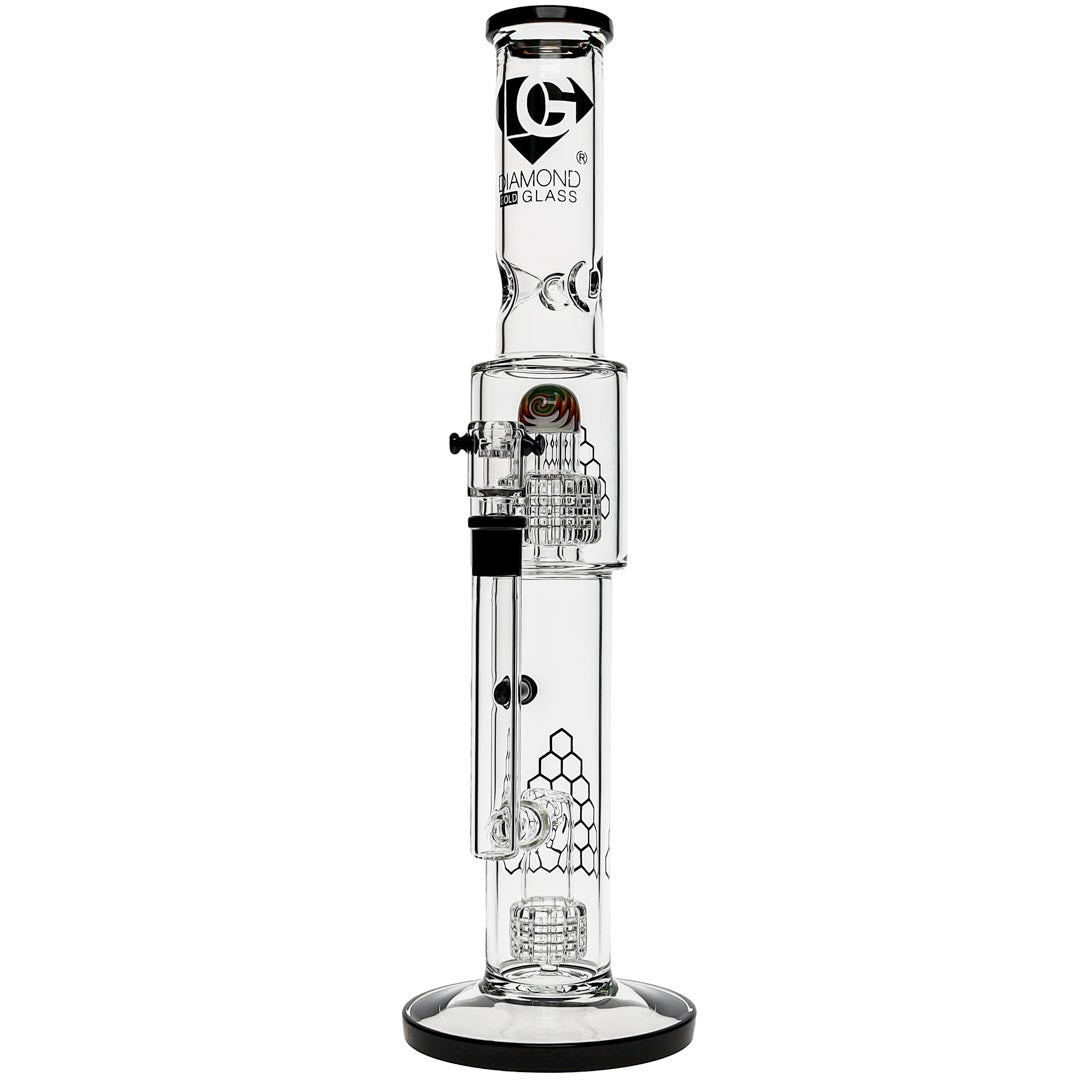



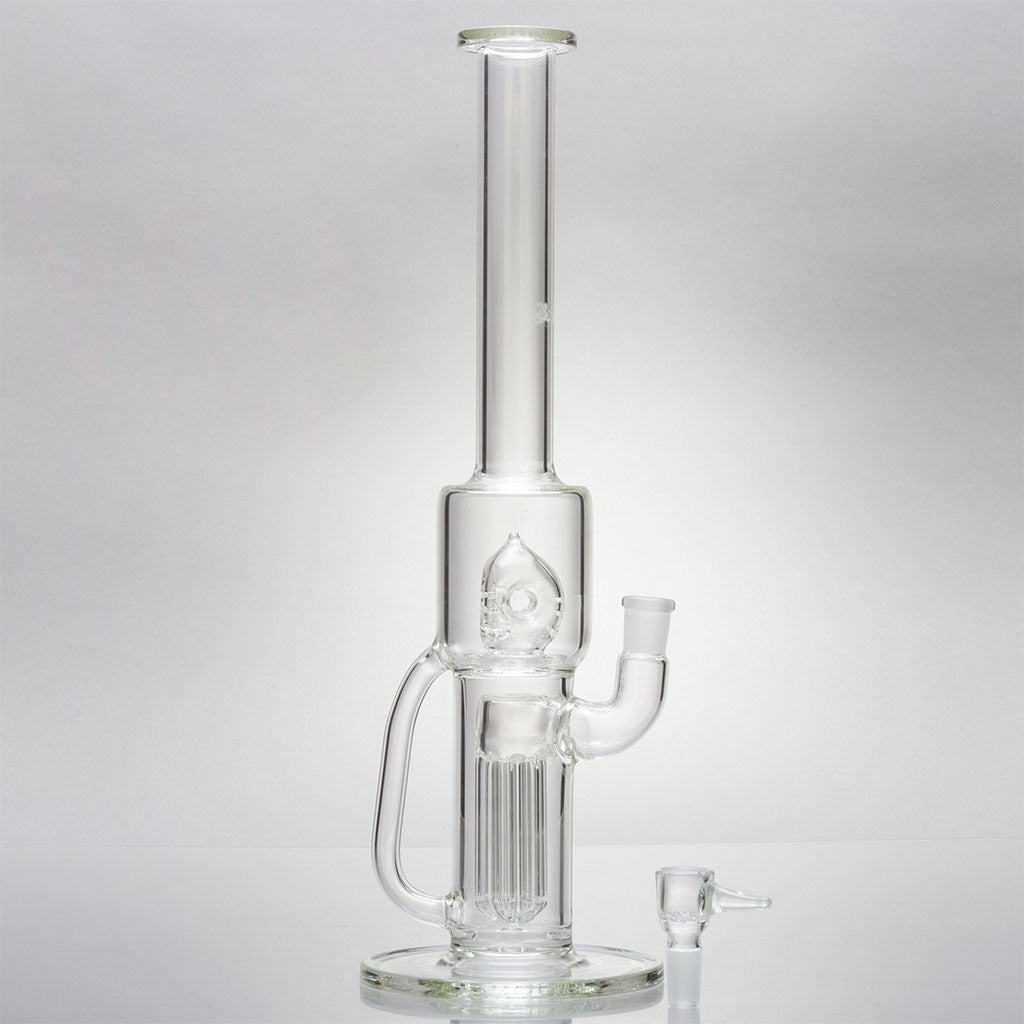

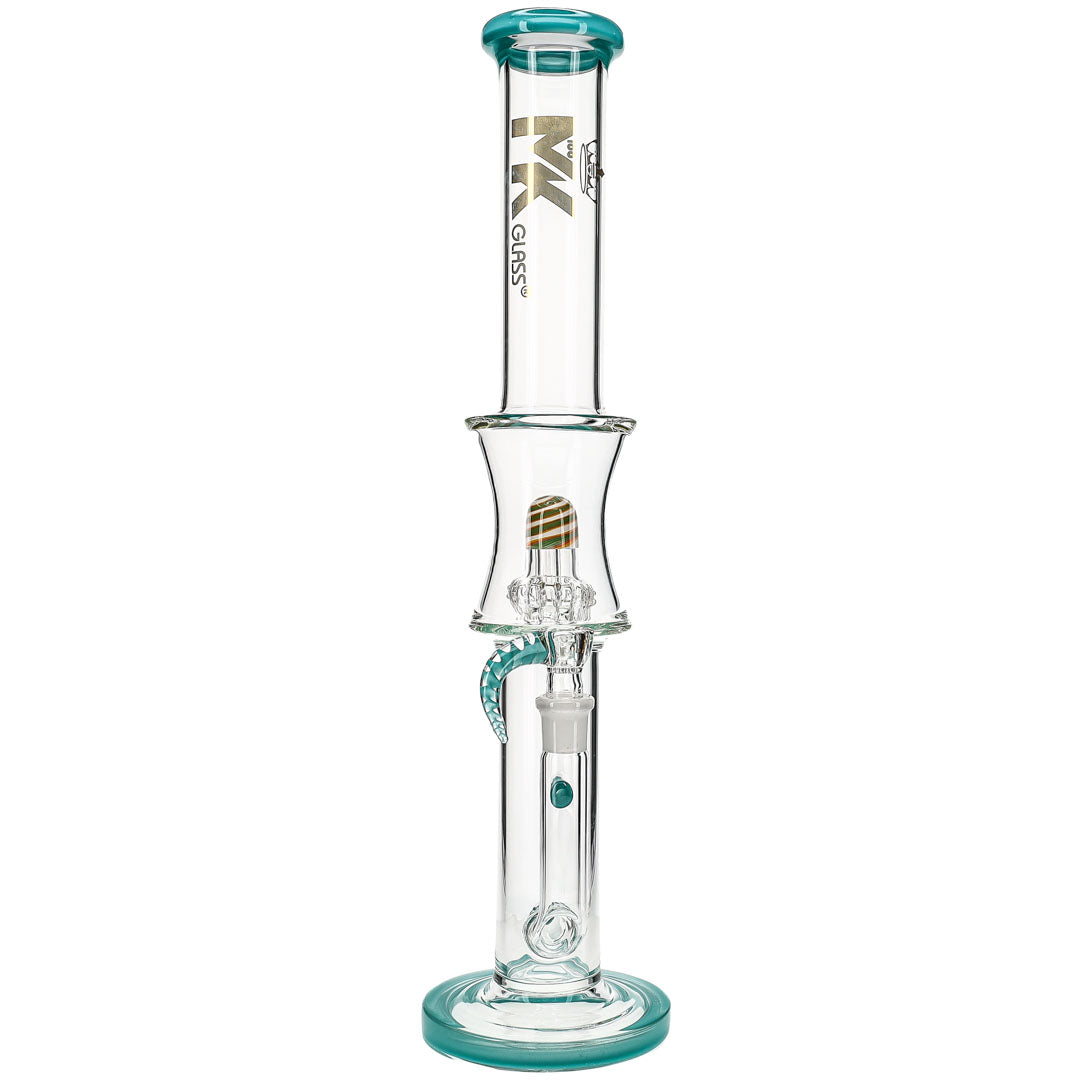

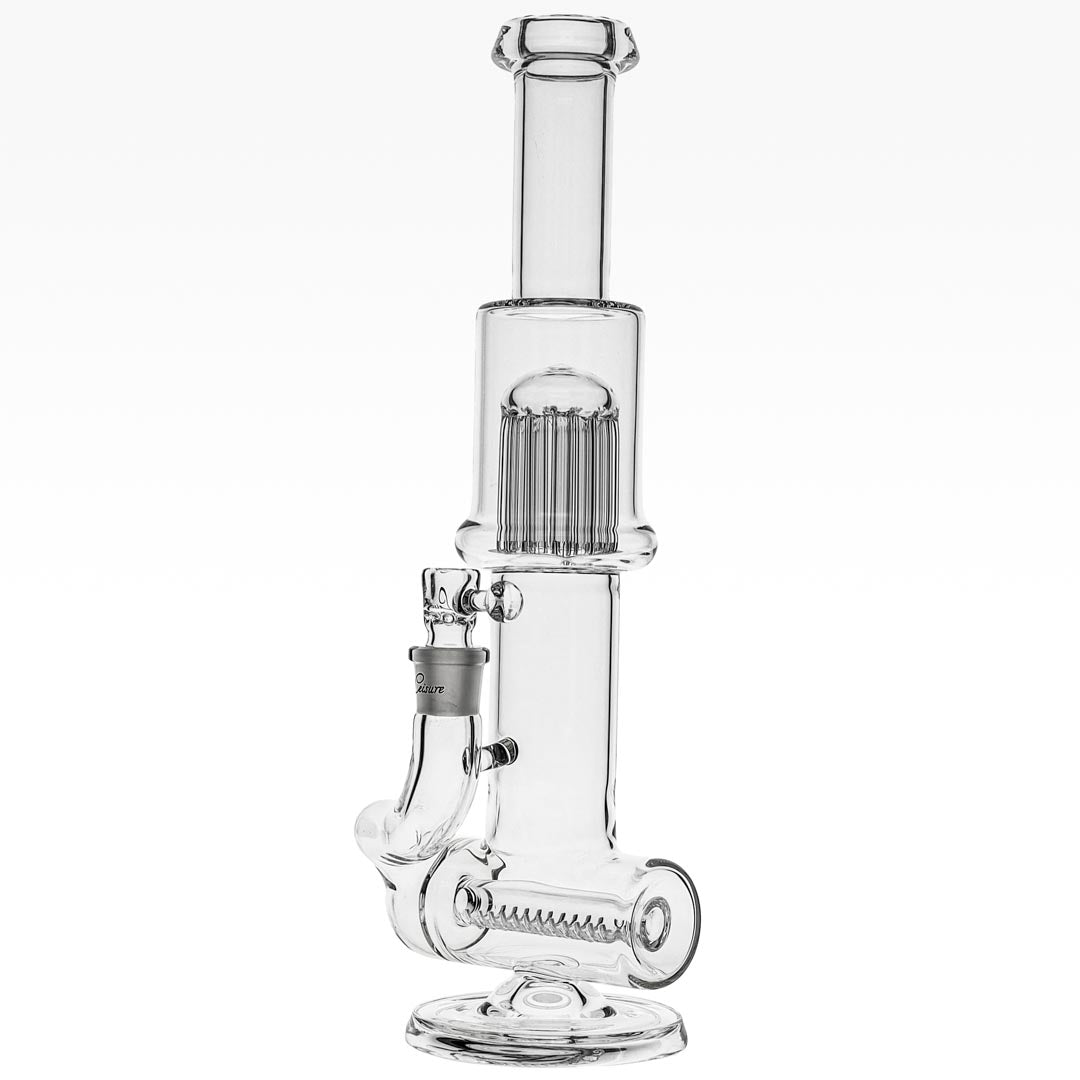
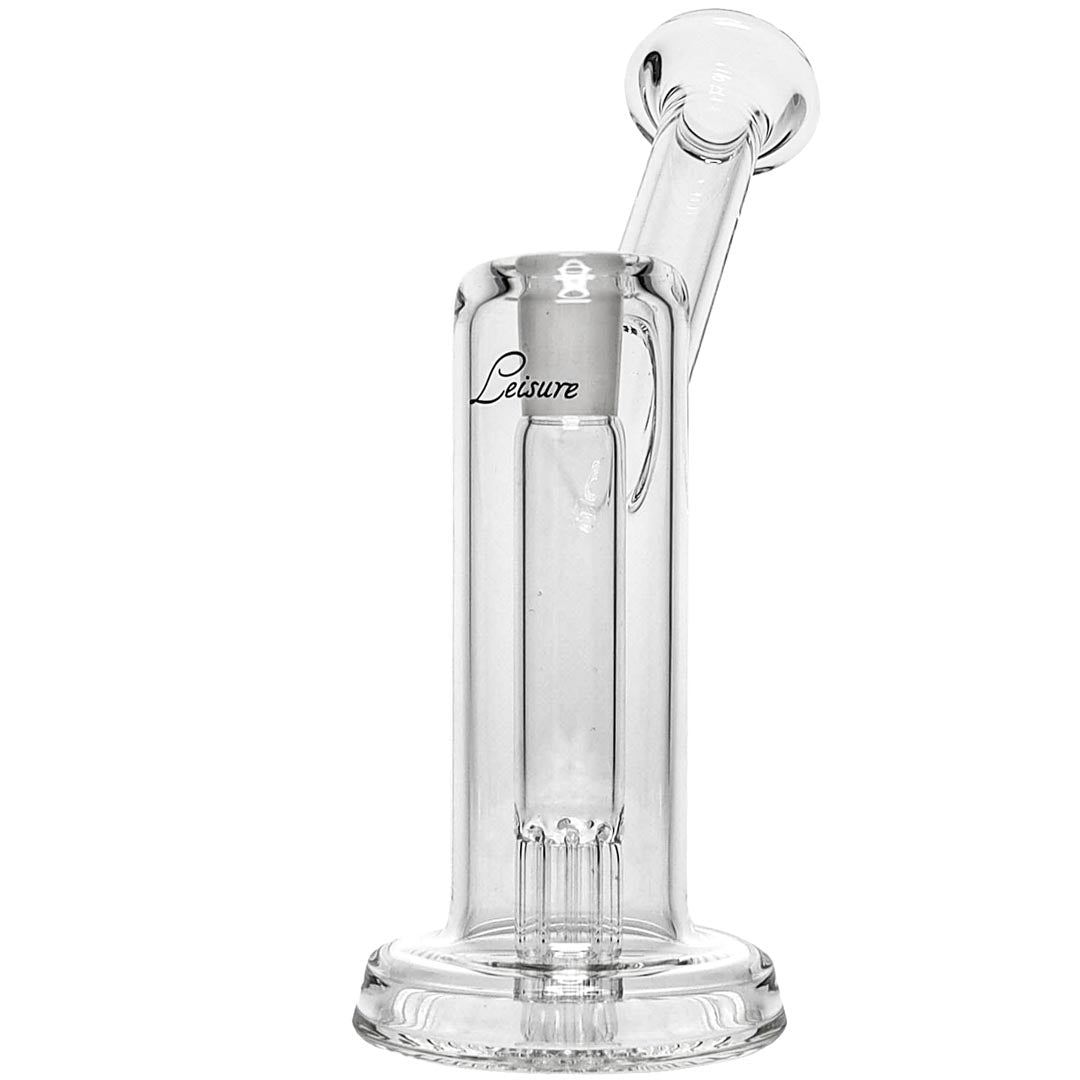


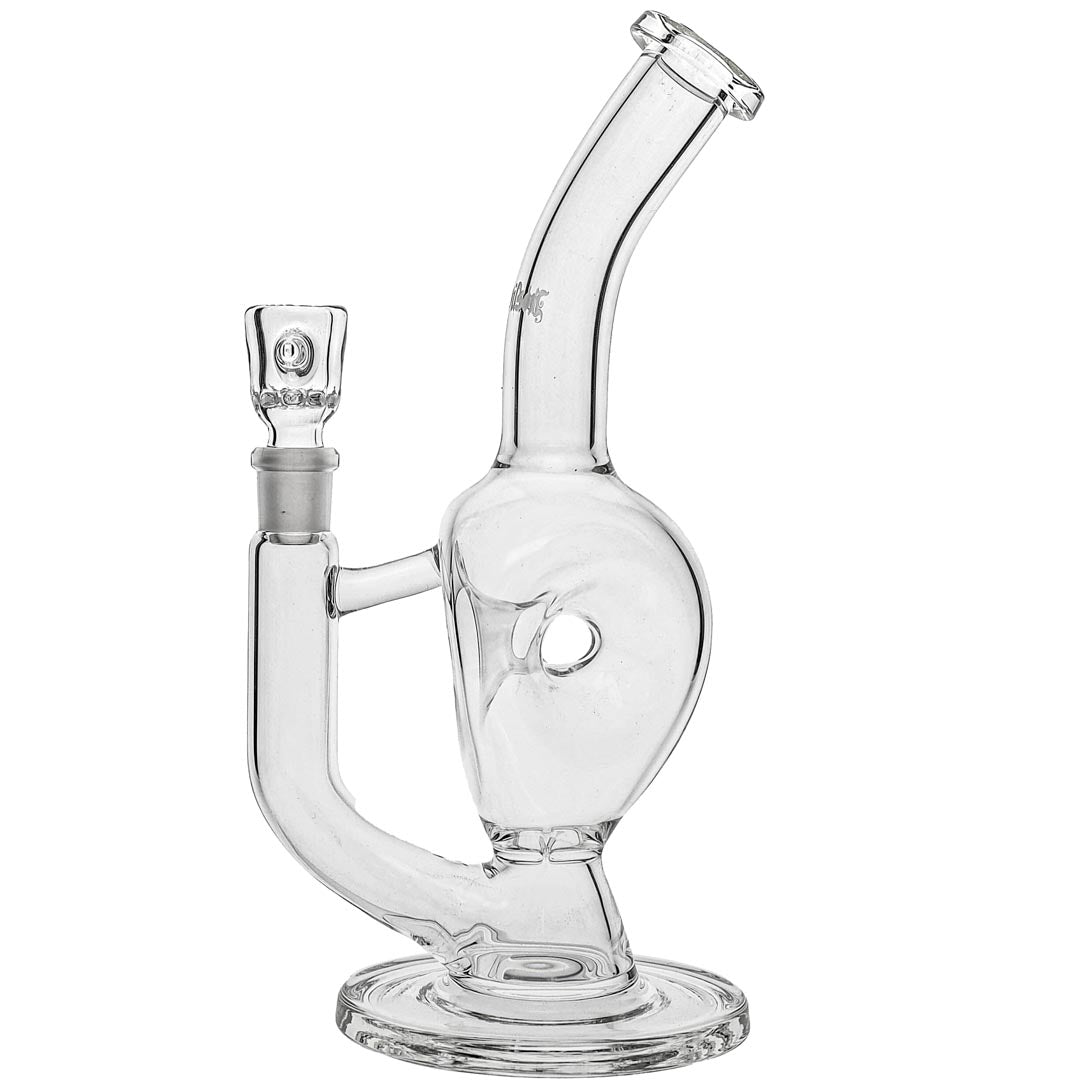
Percolator bong guide
A percolator divides smoke into smaller bubbles before it reaches the mouthpiece. More bubble surface area gives the water more opportunity to cool the smoke and can make a draw feel smoother than a basic open chamber.
Good function is about balance, not simply adding the most percs possible. Chamber volume, water level, slit placement, and airflow all affect how a piece pulls.
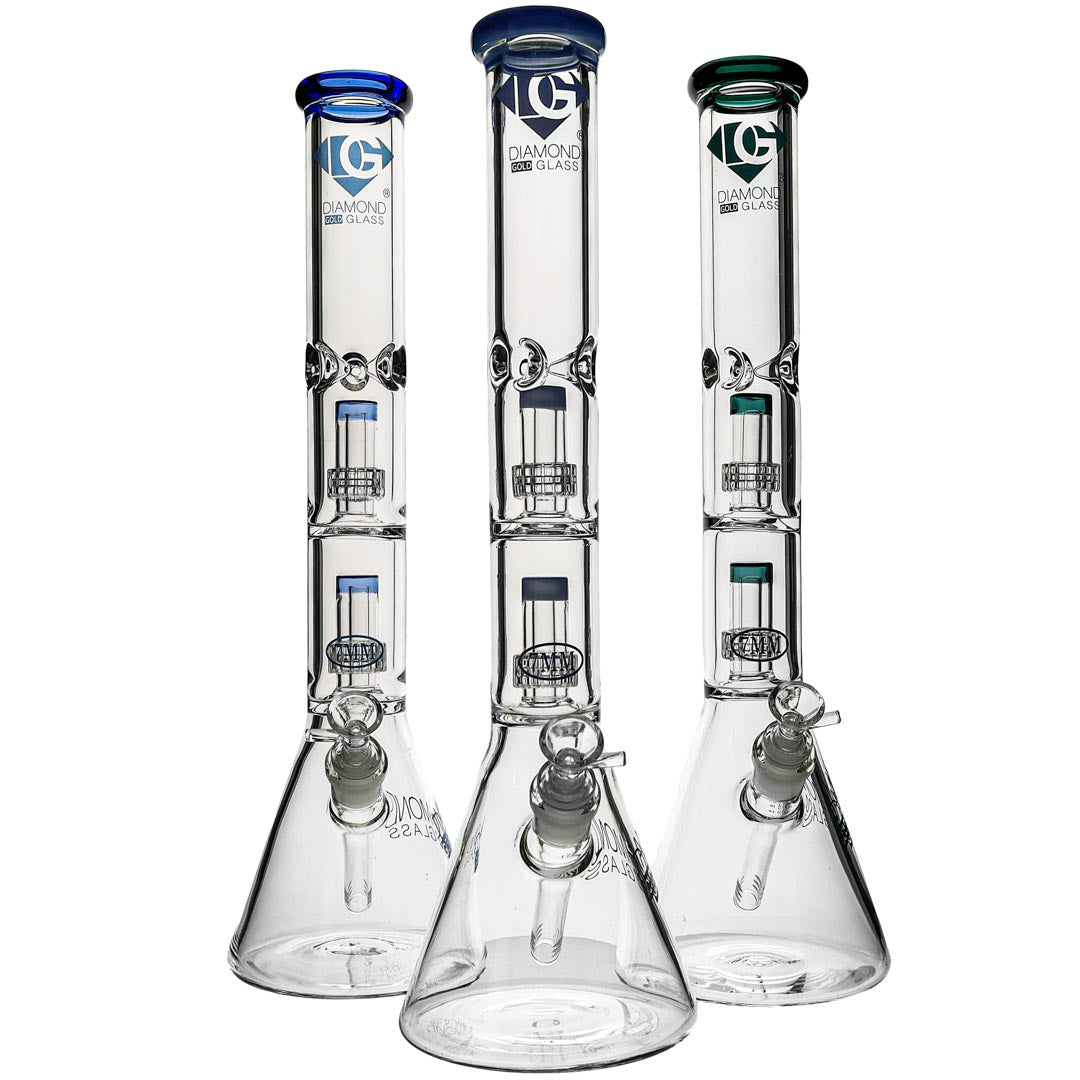
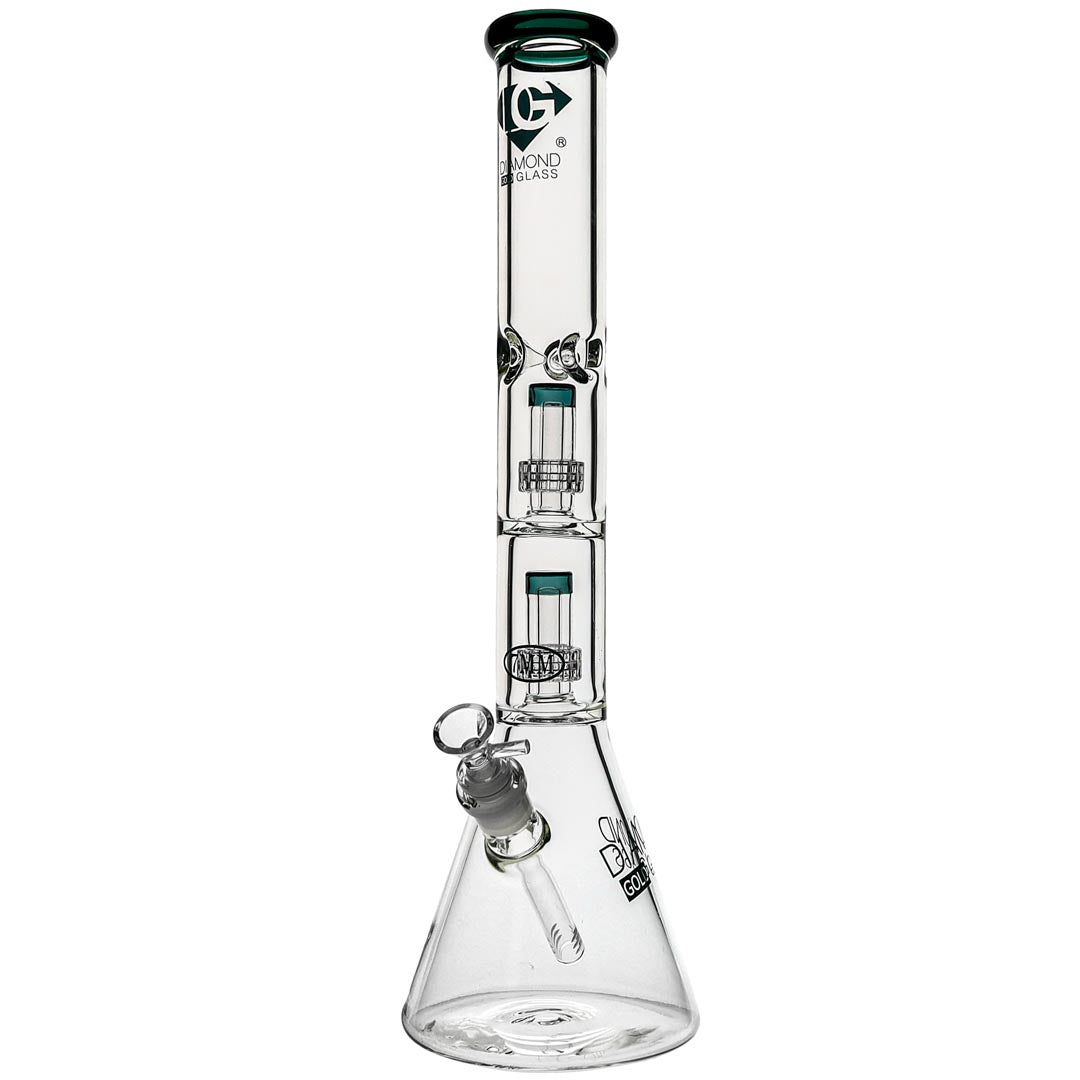
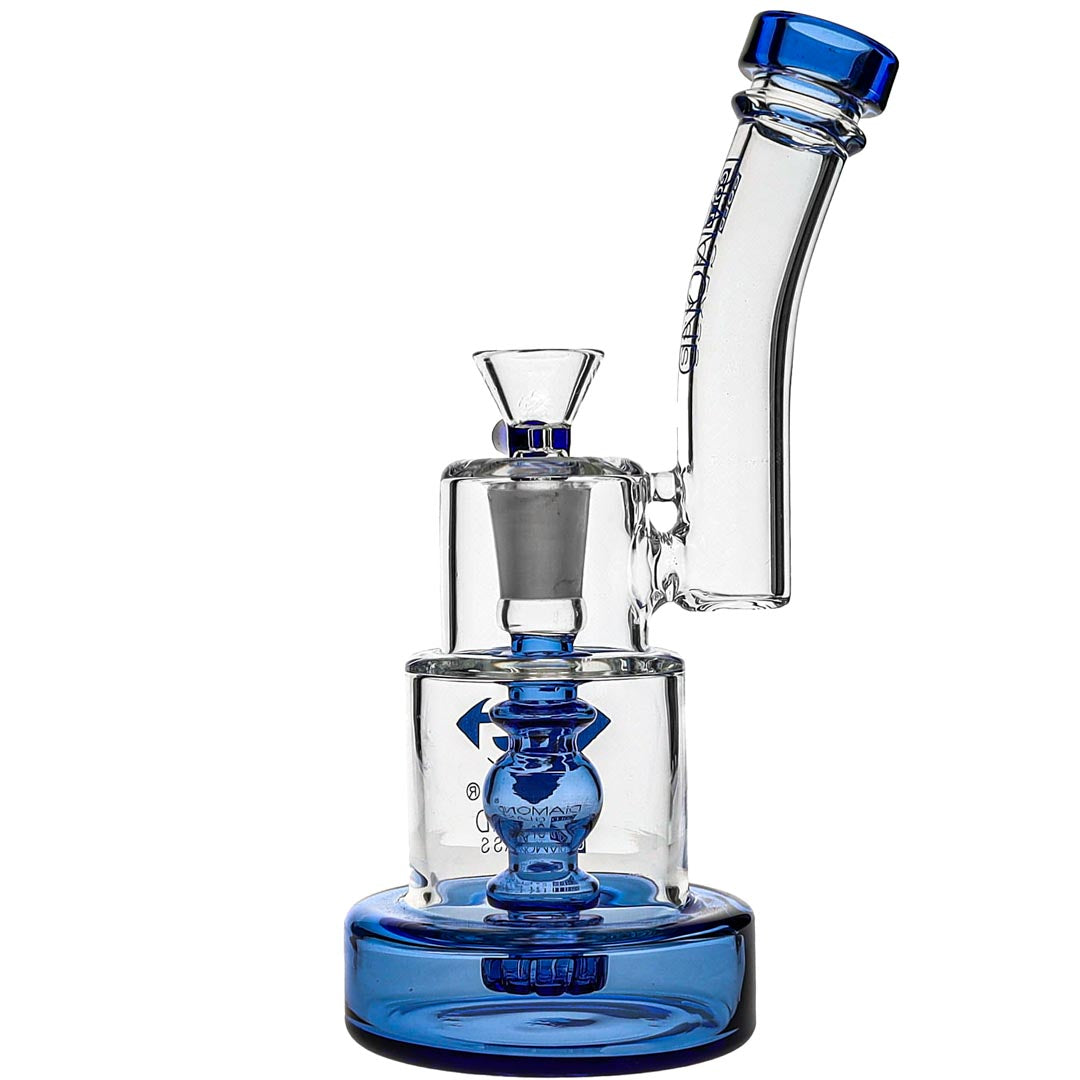
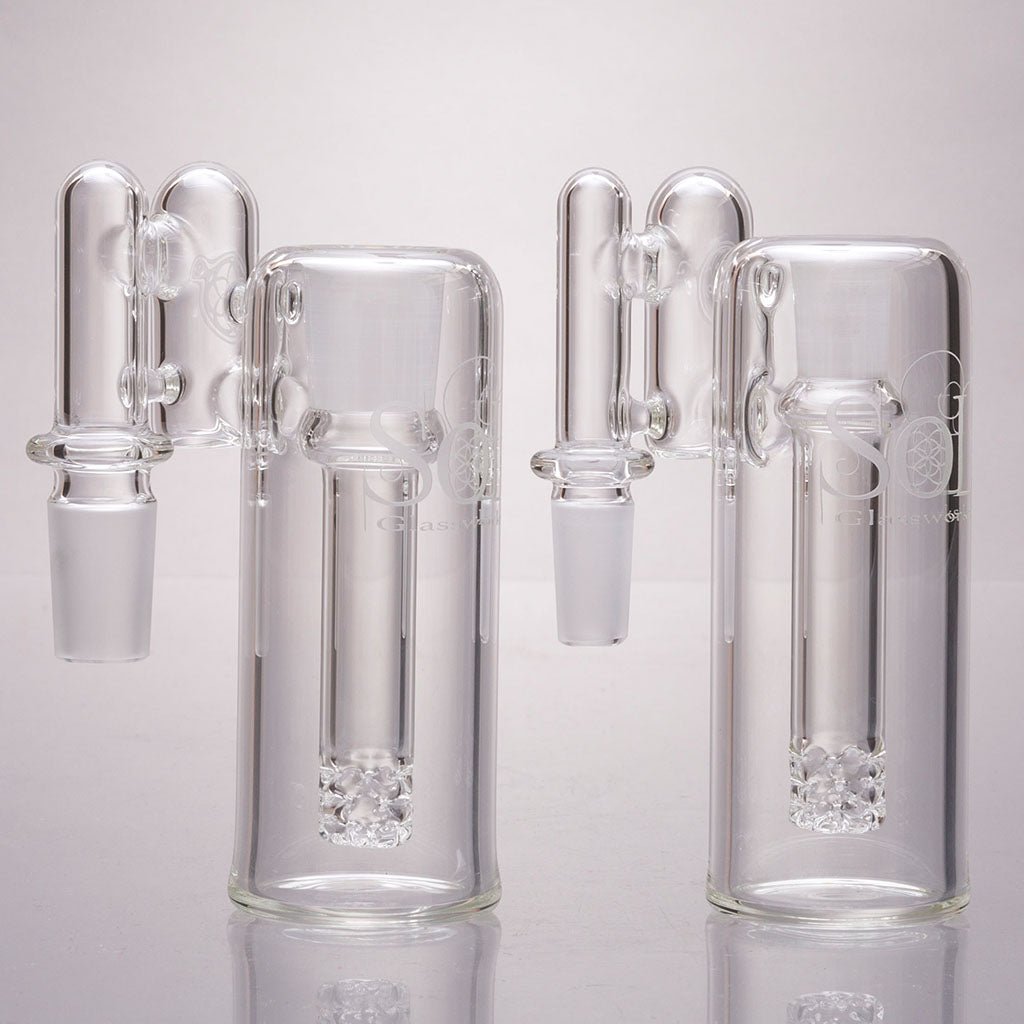
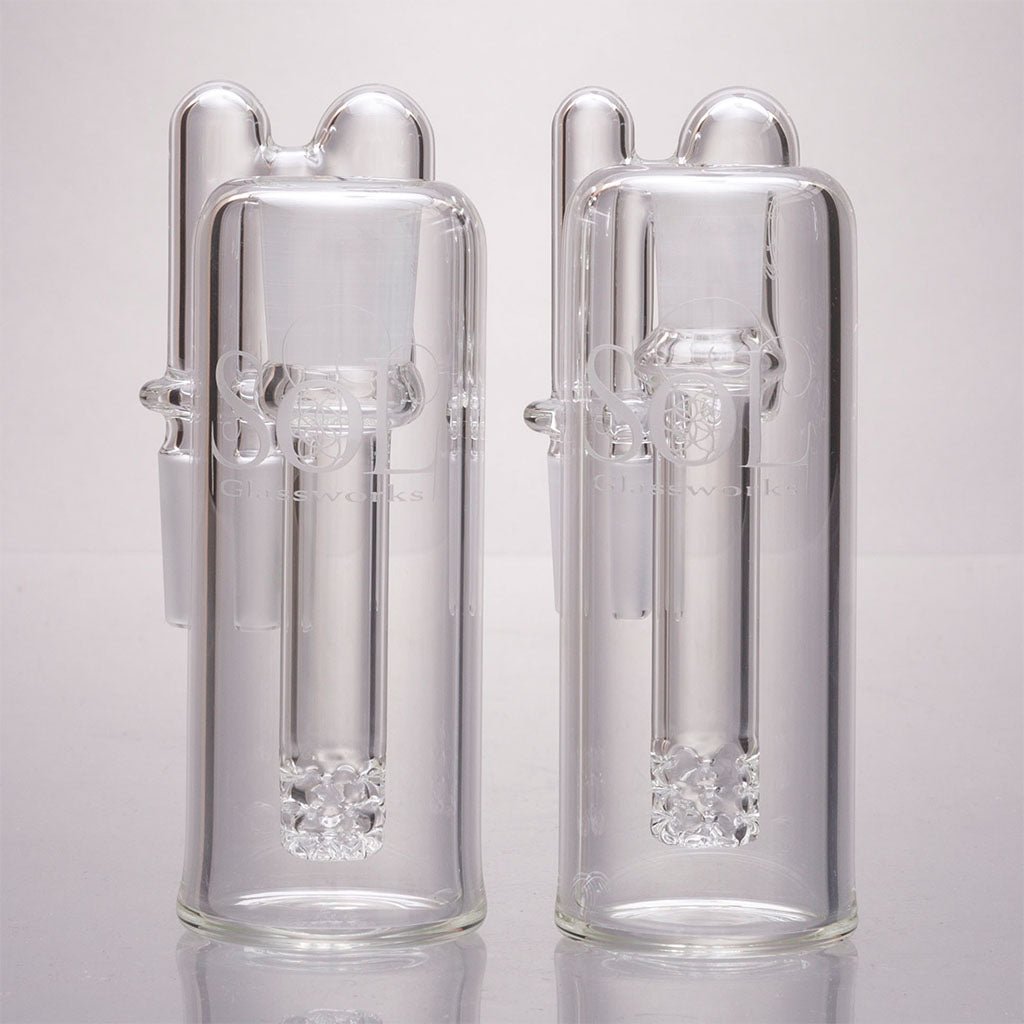
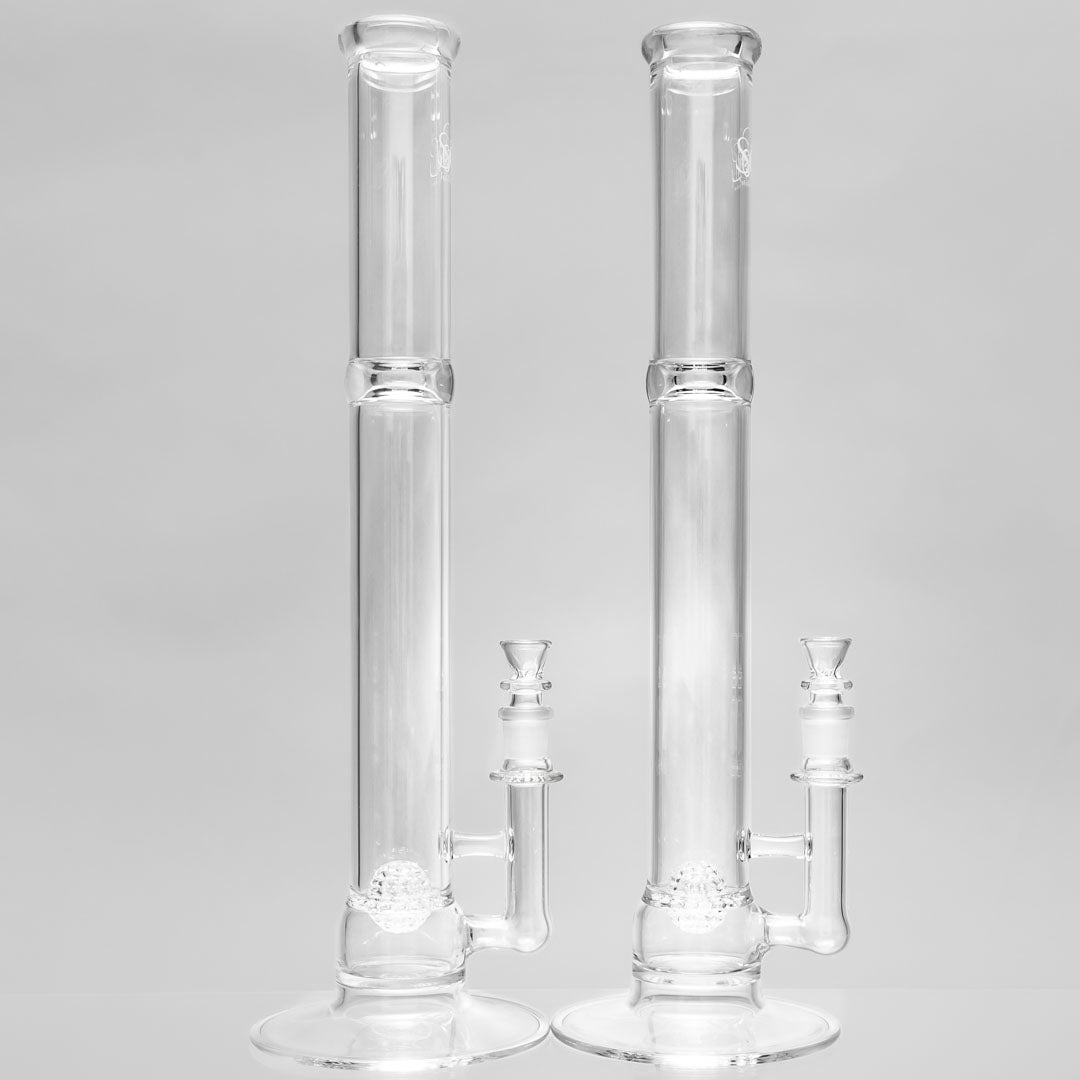
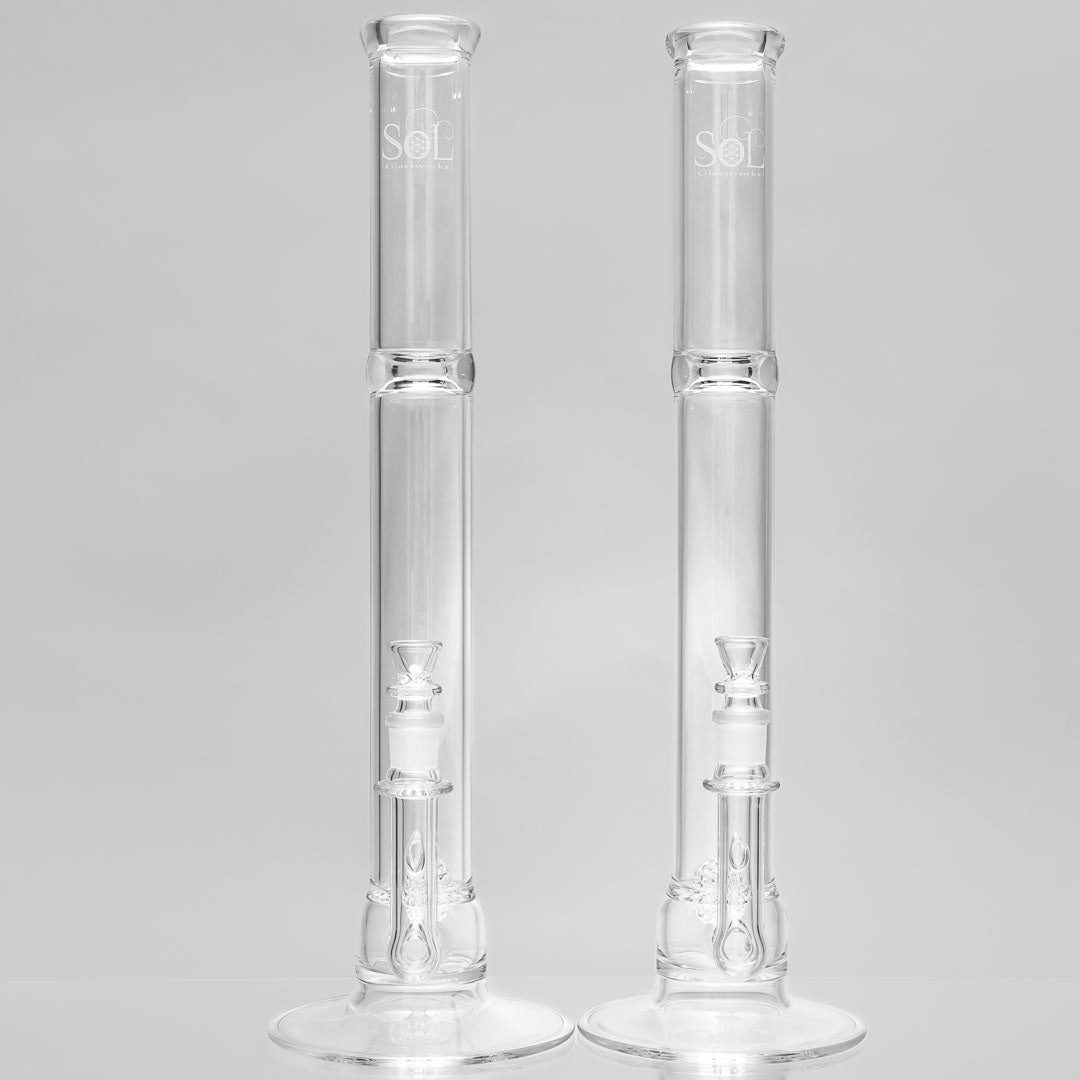
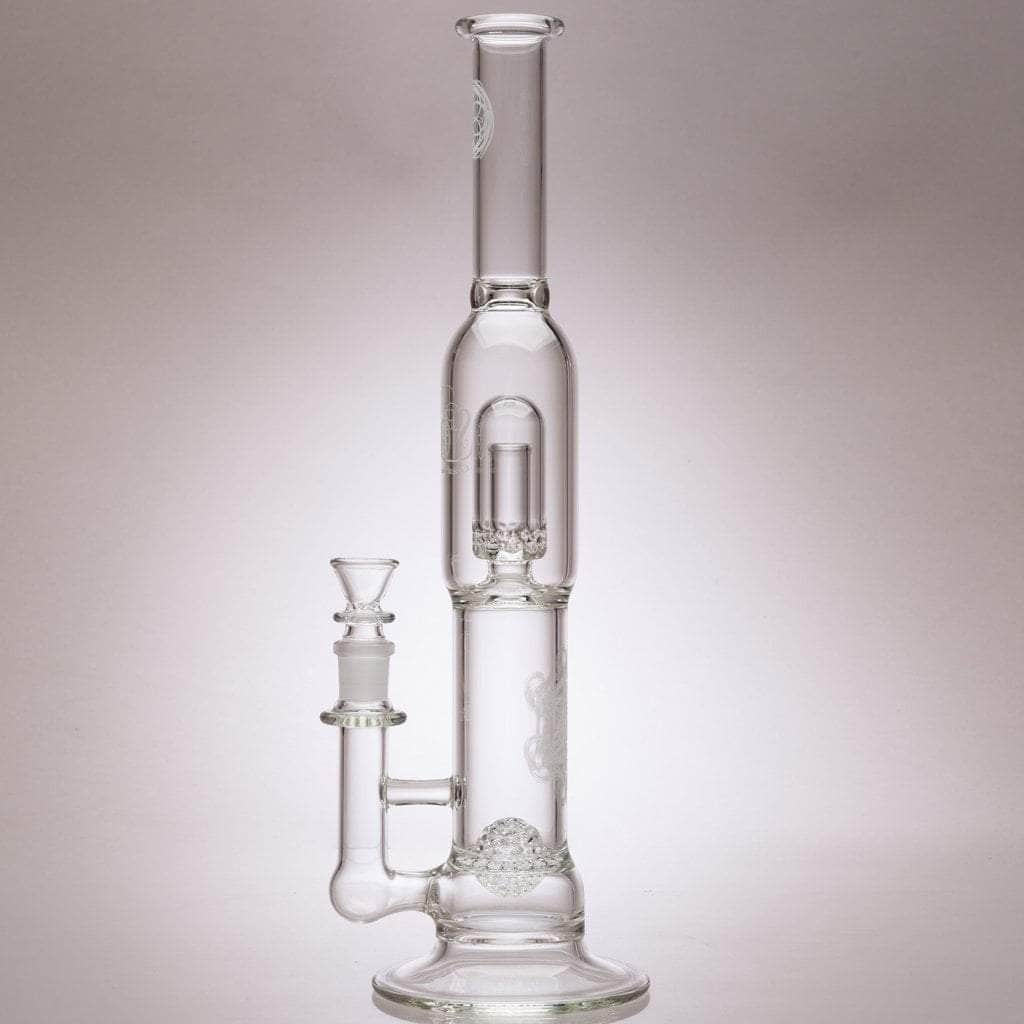
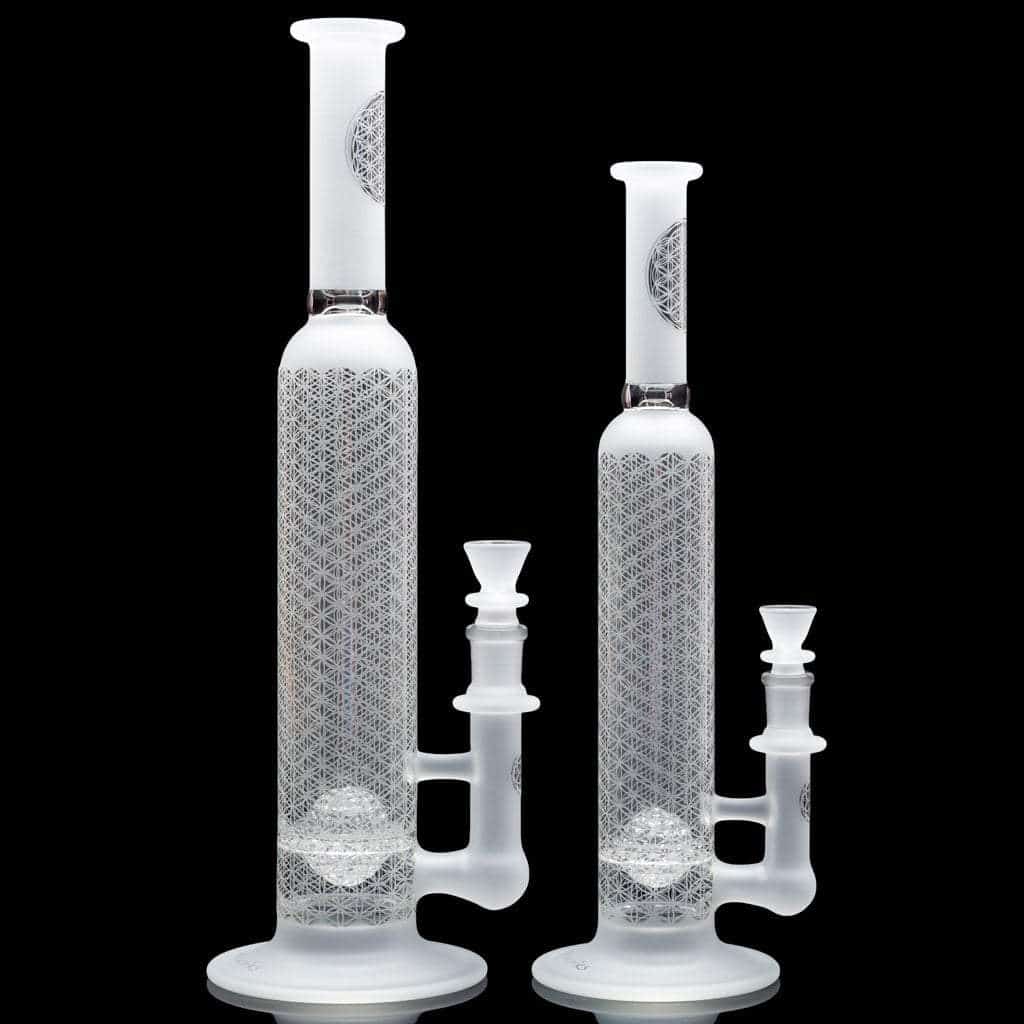
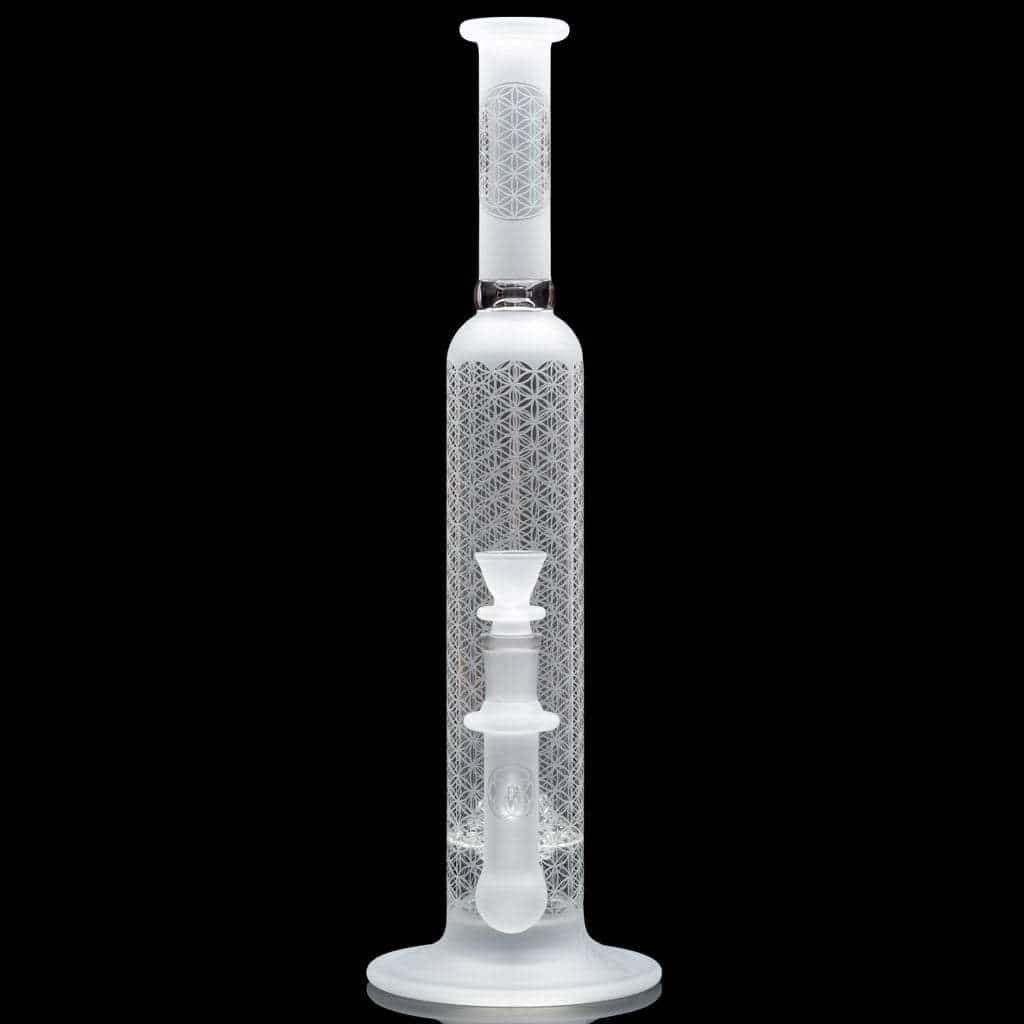
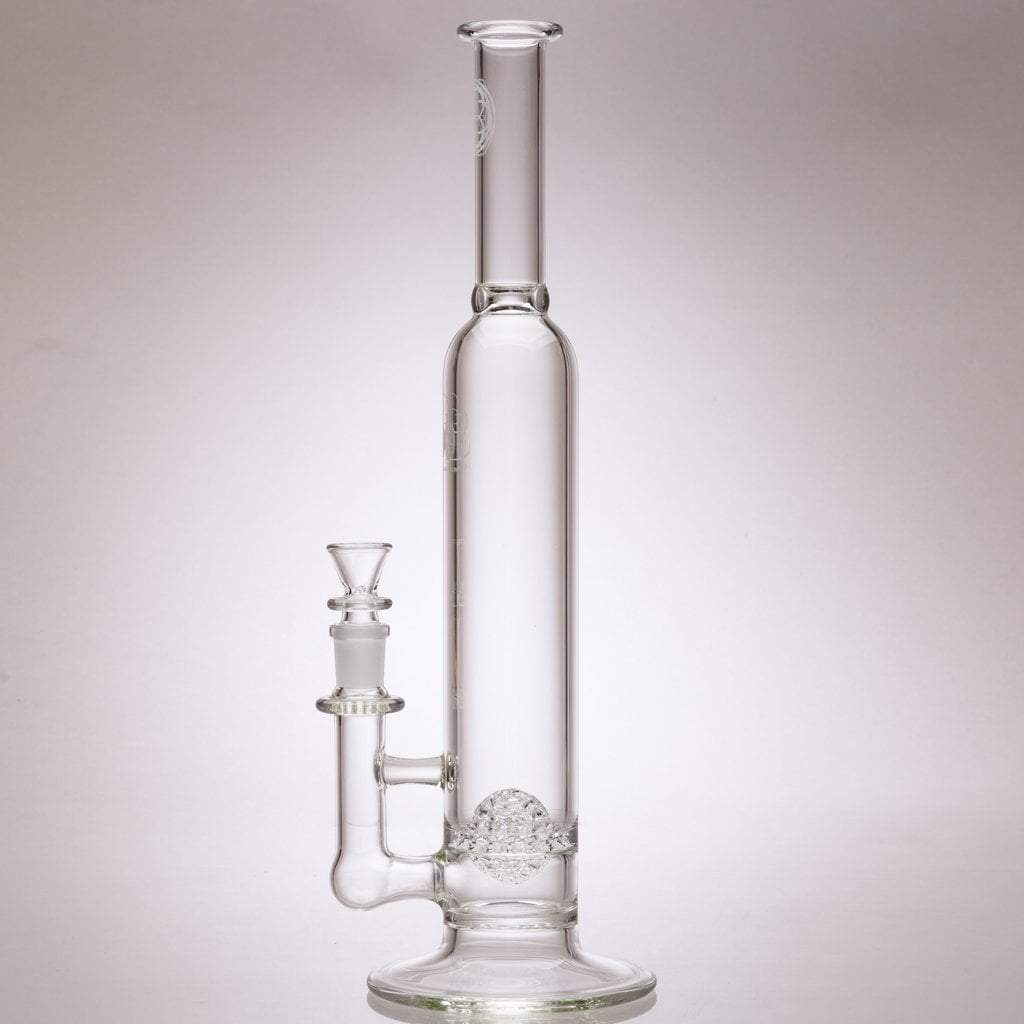
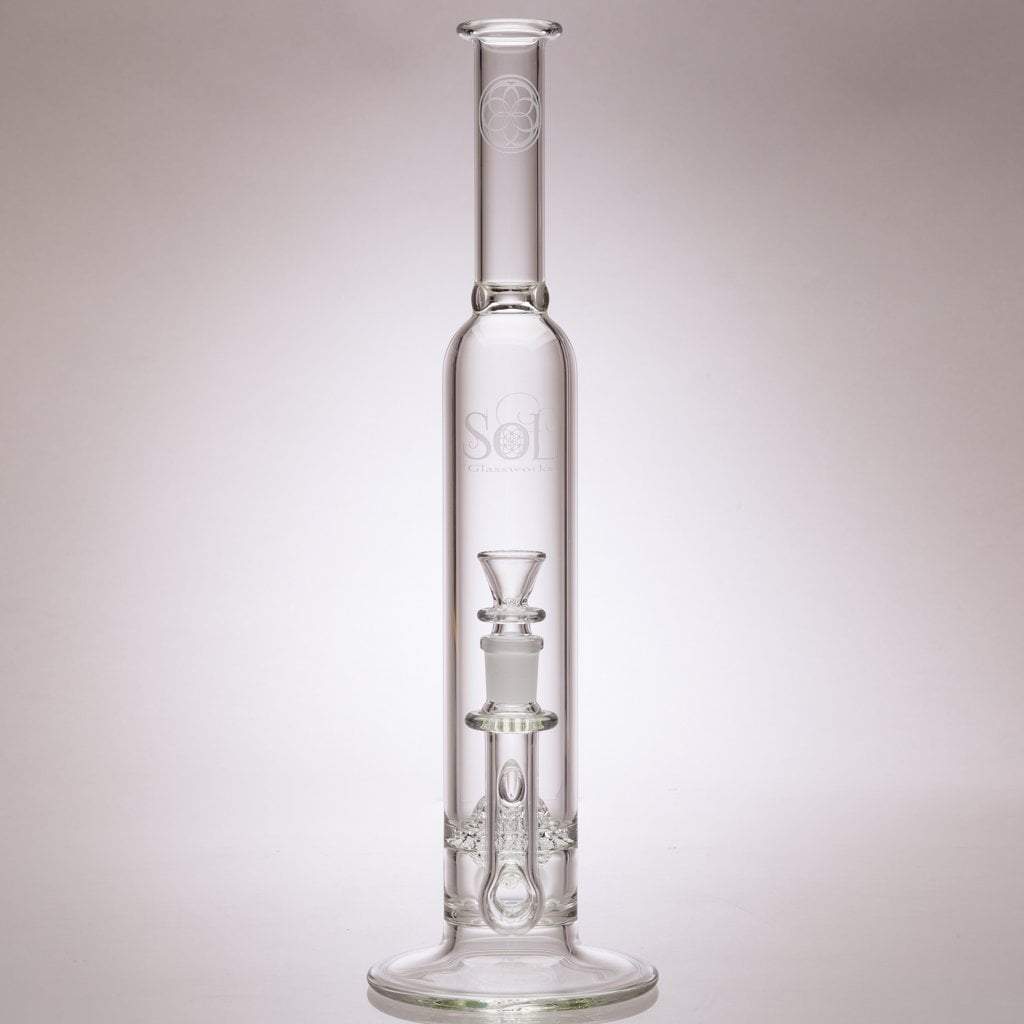
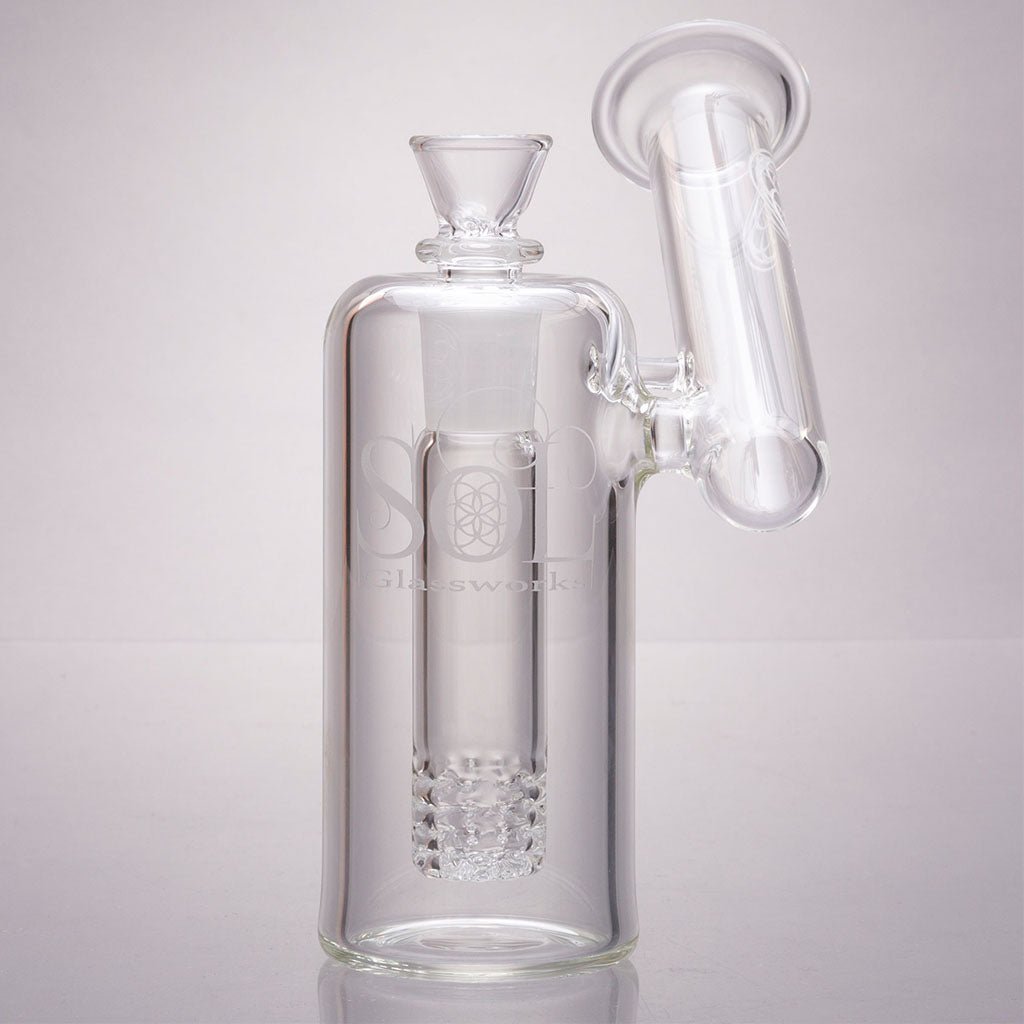
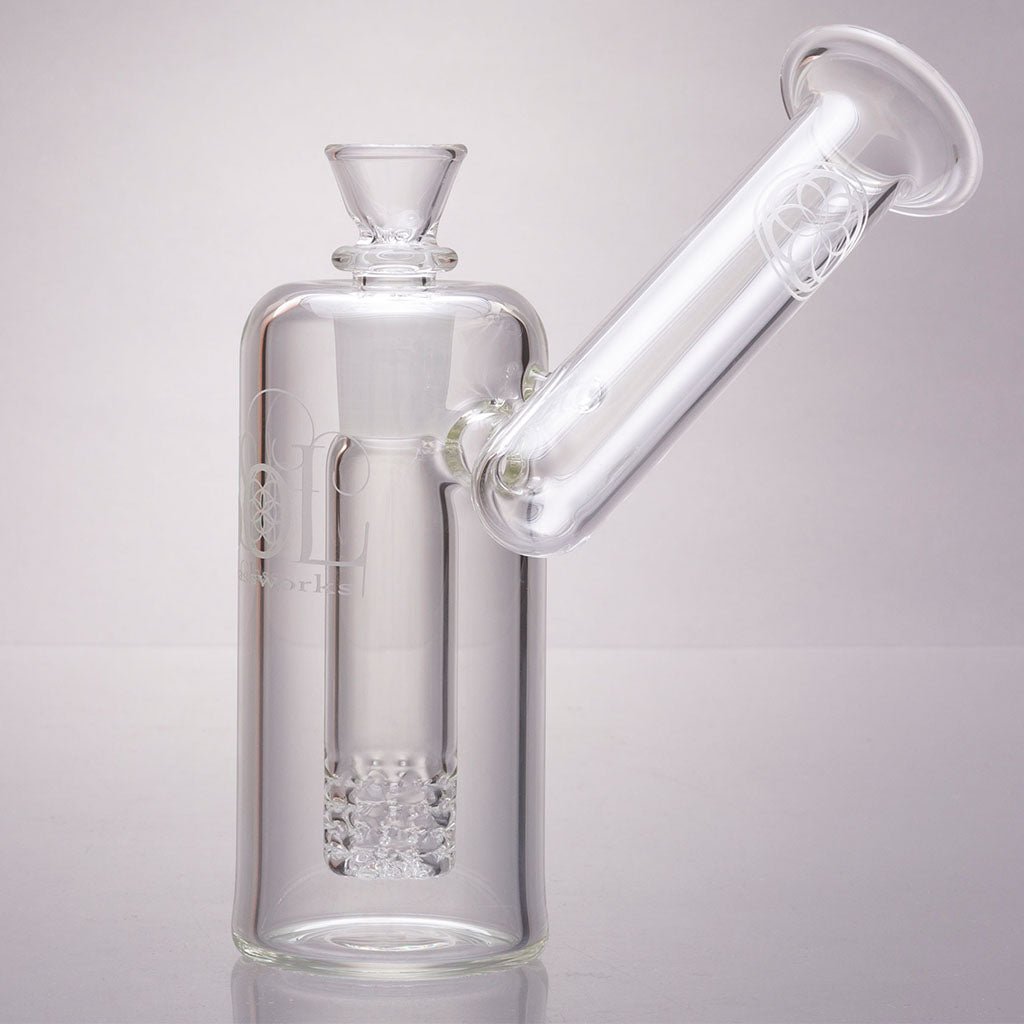
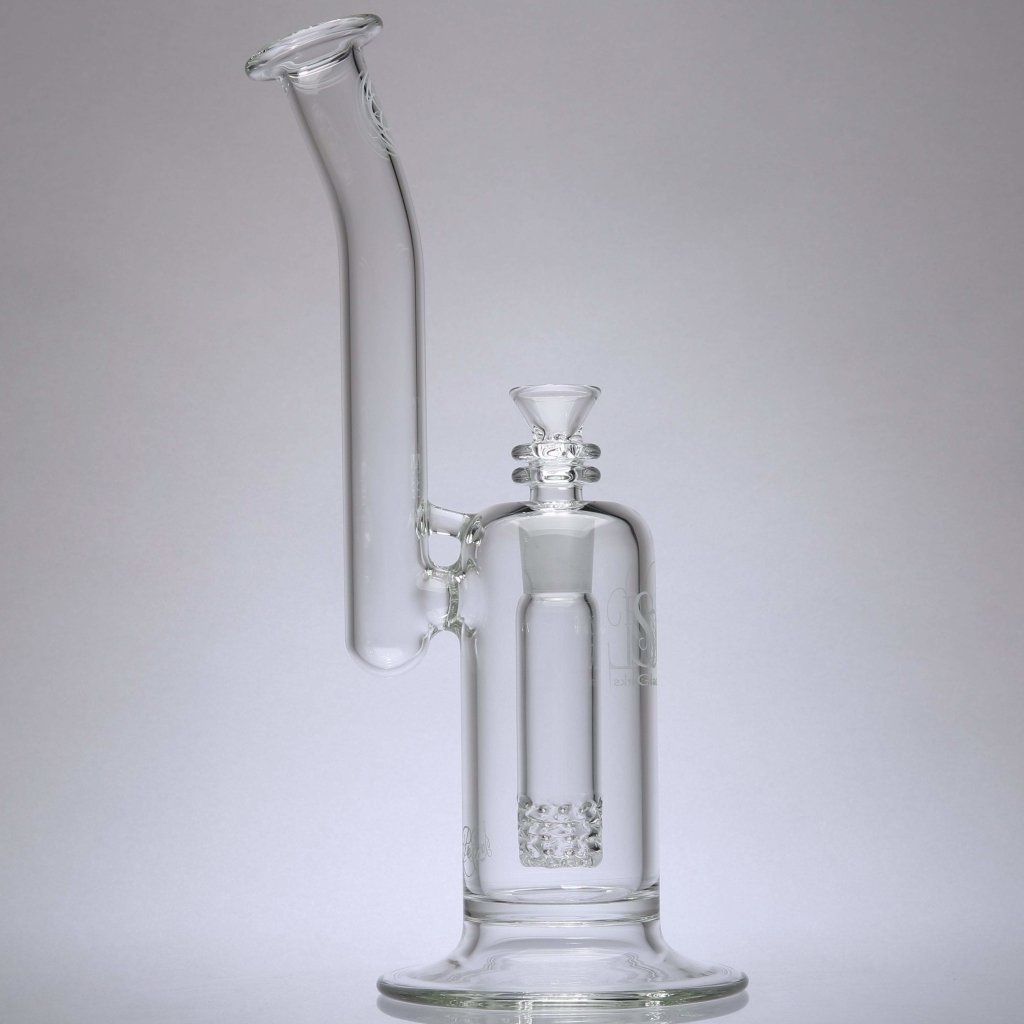
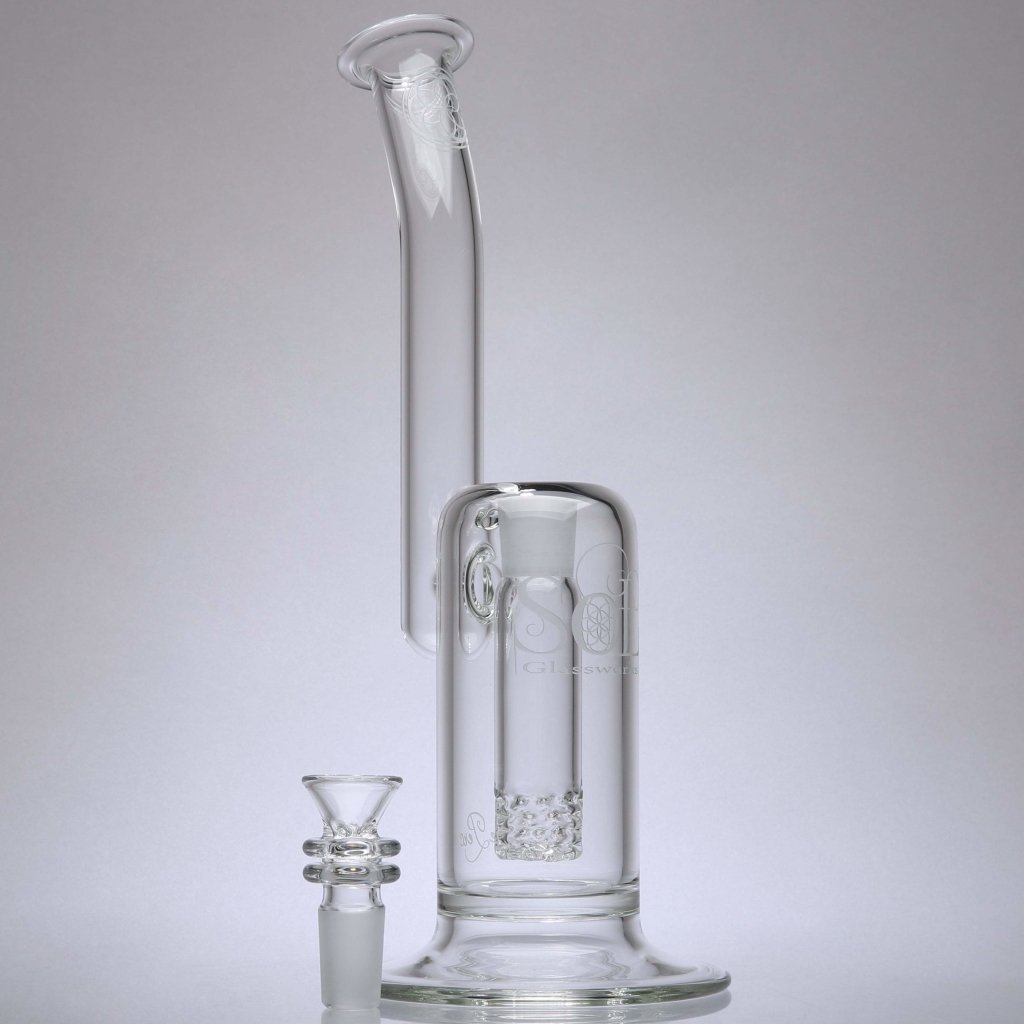
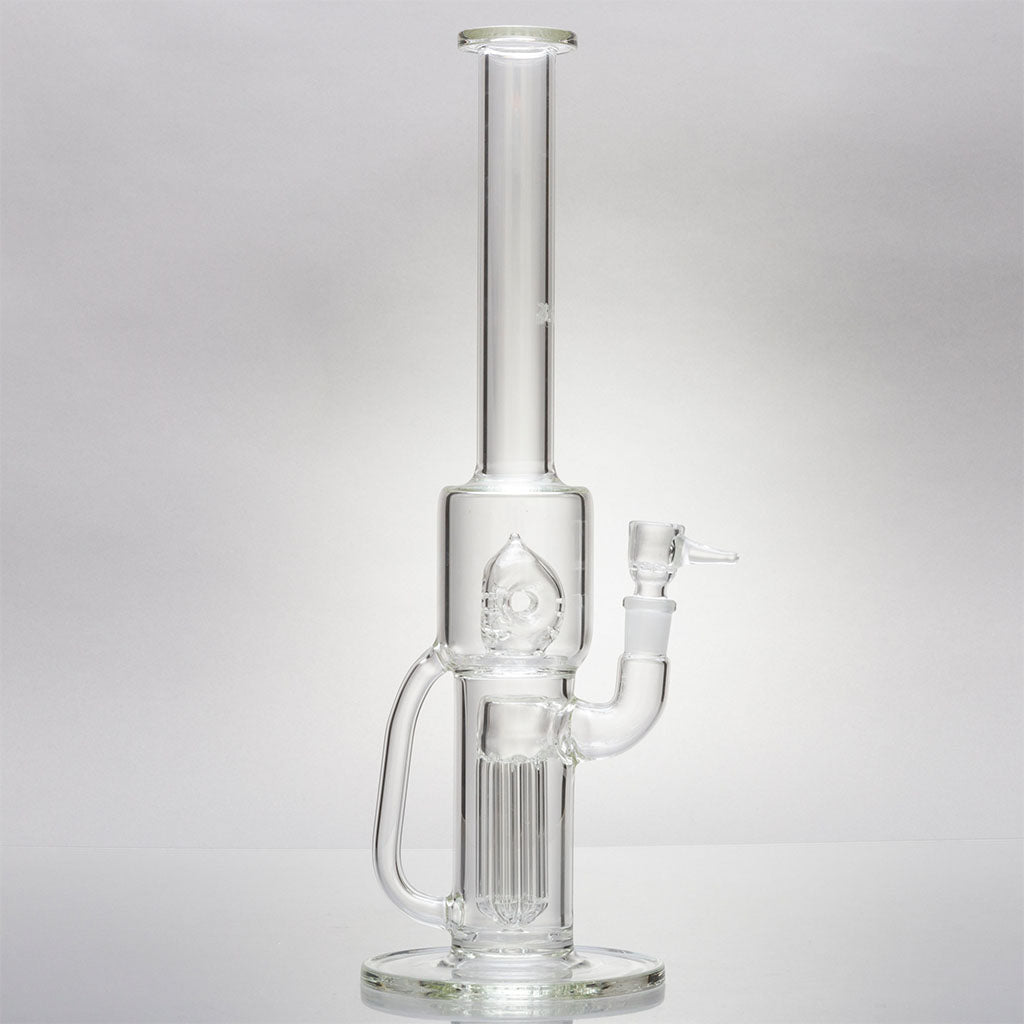
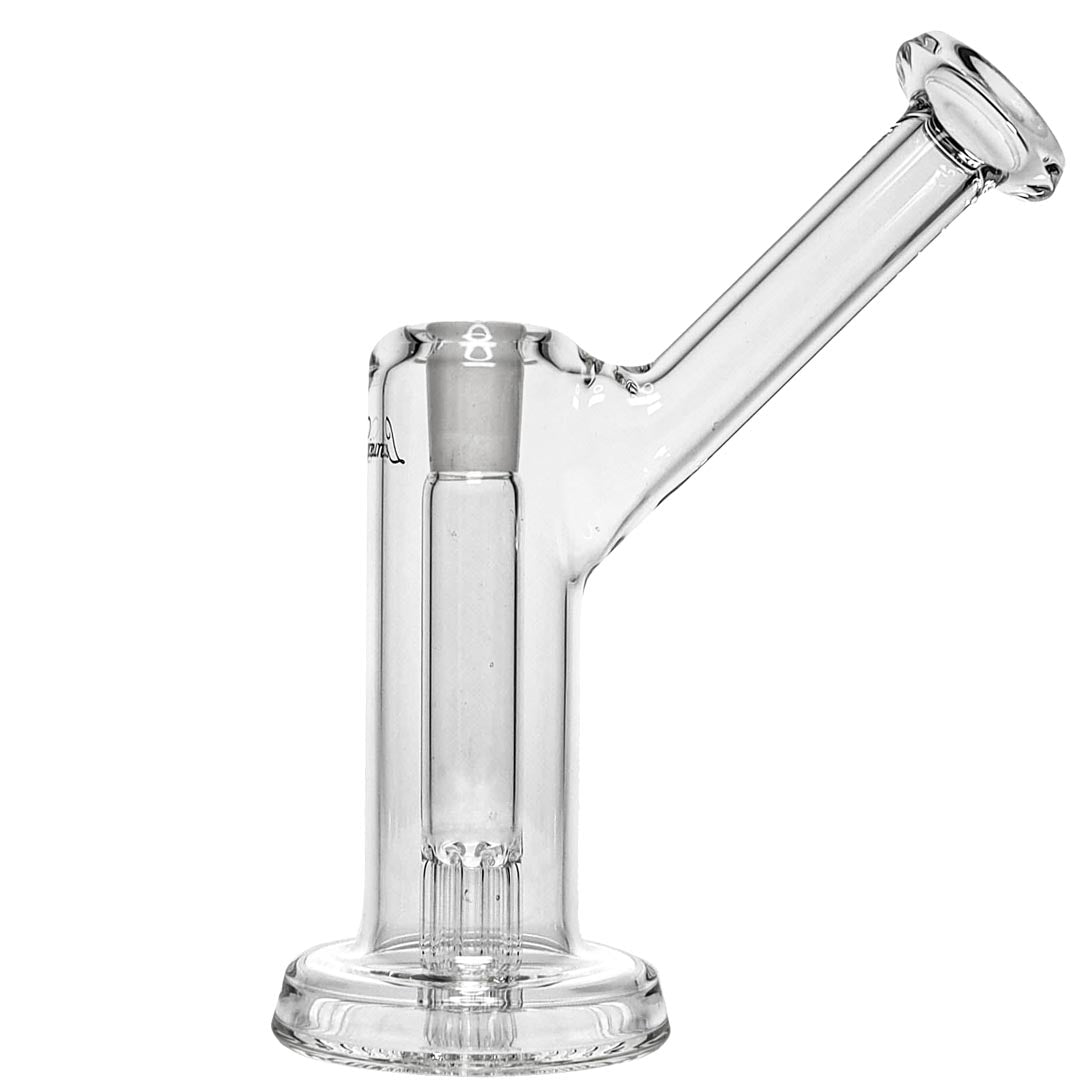
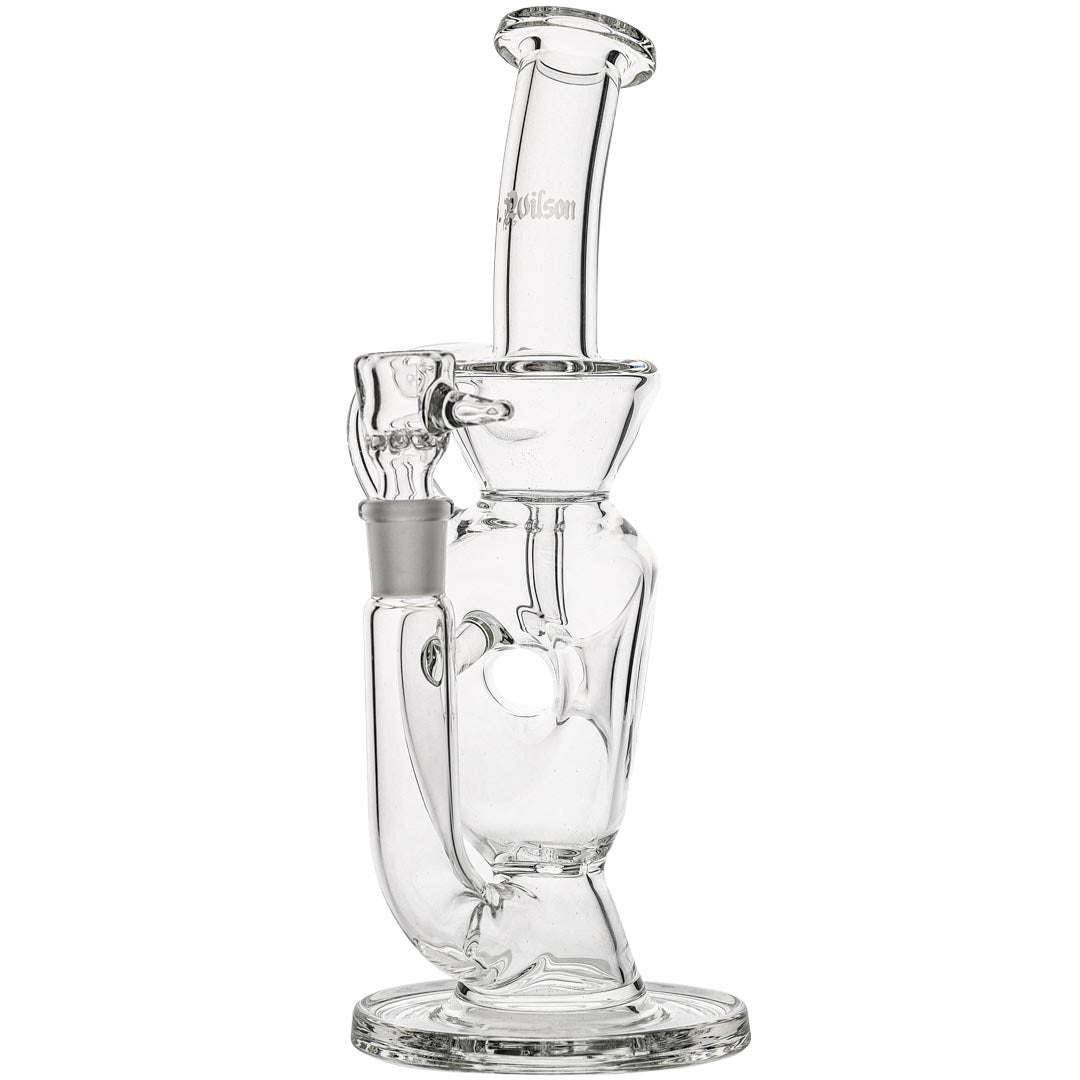
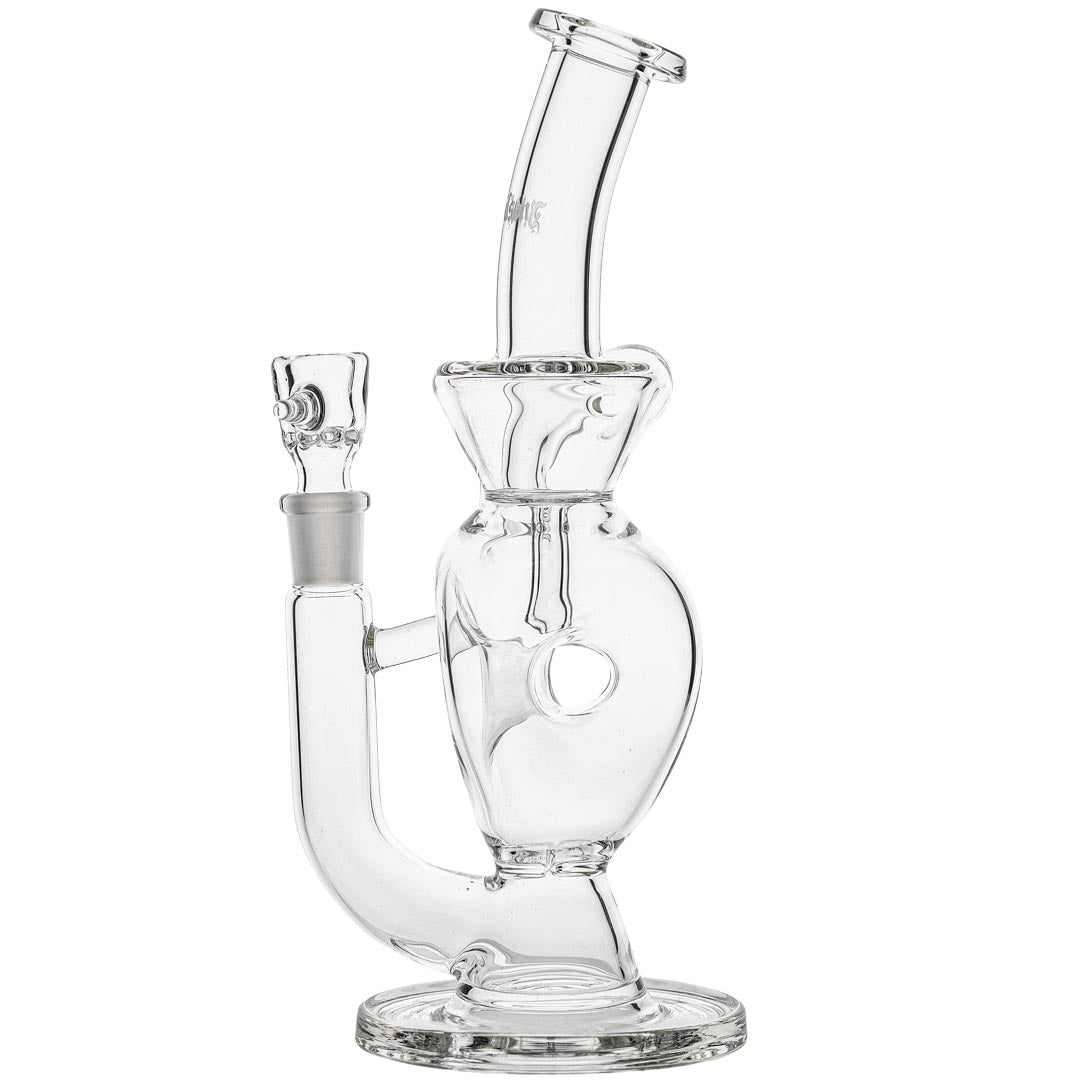
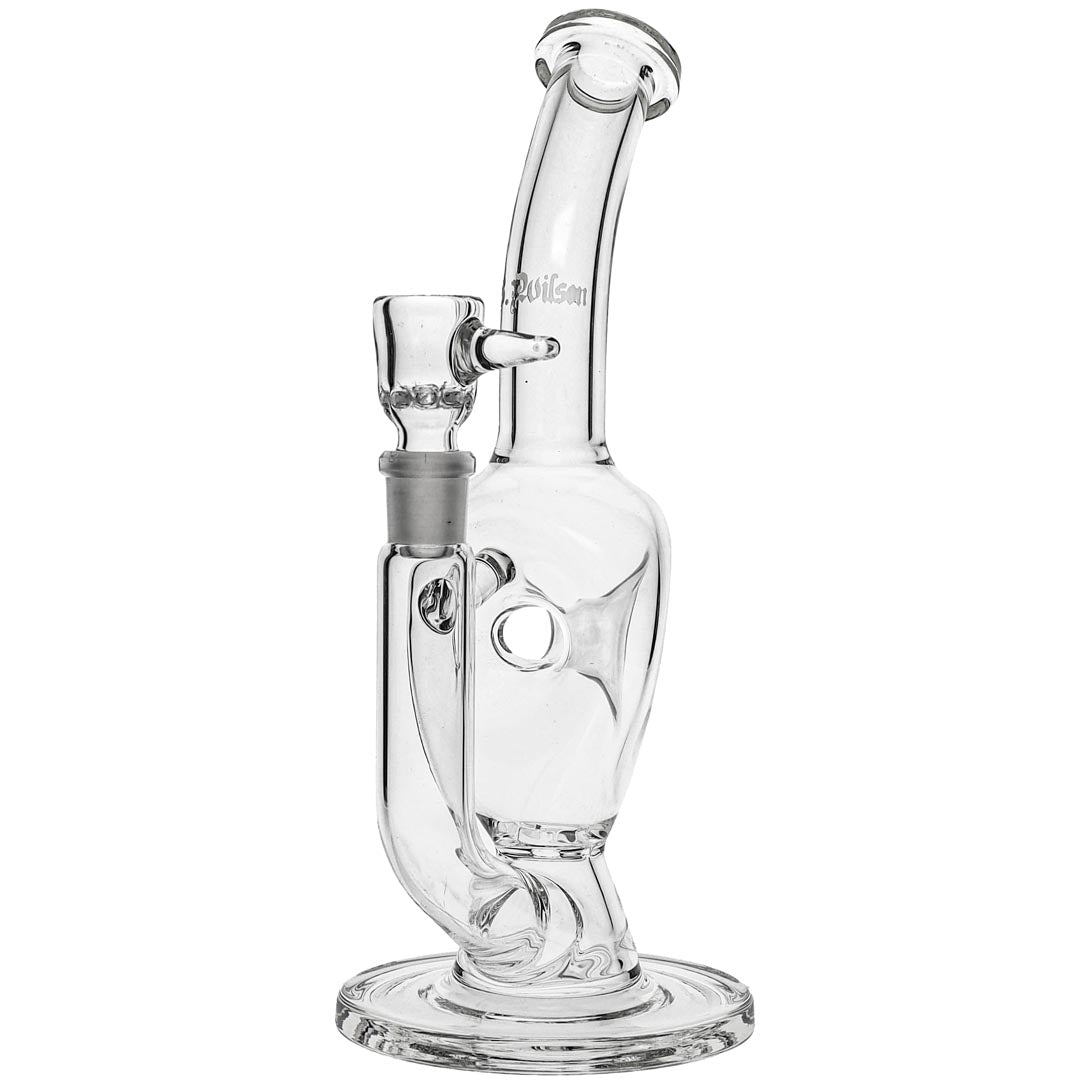
Tree percs use several slitted arms for classic multi-point diffusion. Showerhead percs push bubbles outward in a ring. Inline percs use a horizontal tube for broad, open diffusion, while matrix and disc designs use dense patterns of holes or slits.
The best style depends on the draw you prefer. Inline and showerhead designs often feel more open; dense matrix and stacked systems can trade some airflow for extra diffusion.
A single-perc bong usually offers simpler airflow and easier cleaning. Multi-perc and stacked-chamber pieces increase water contact and cooling, but they may require a stronger pull and more careful maintenance.
For everyday use, start with the least complicated design that gives you the filtration you want. More glass engineering is impressive; more cleaning is still more cleaning.
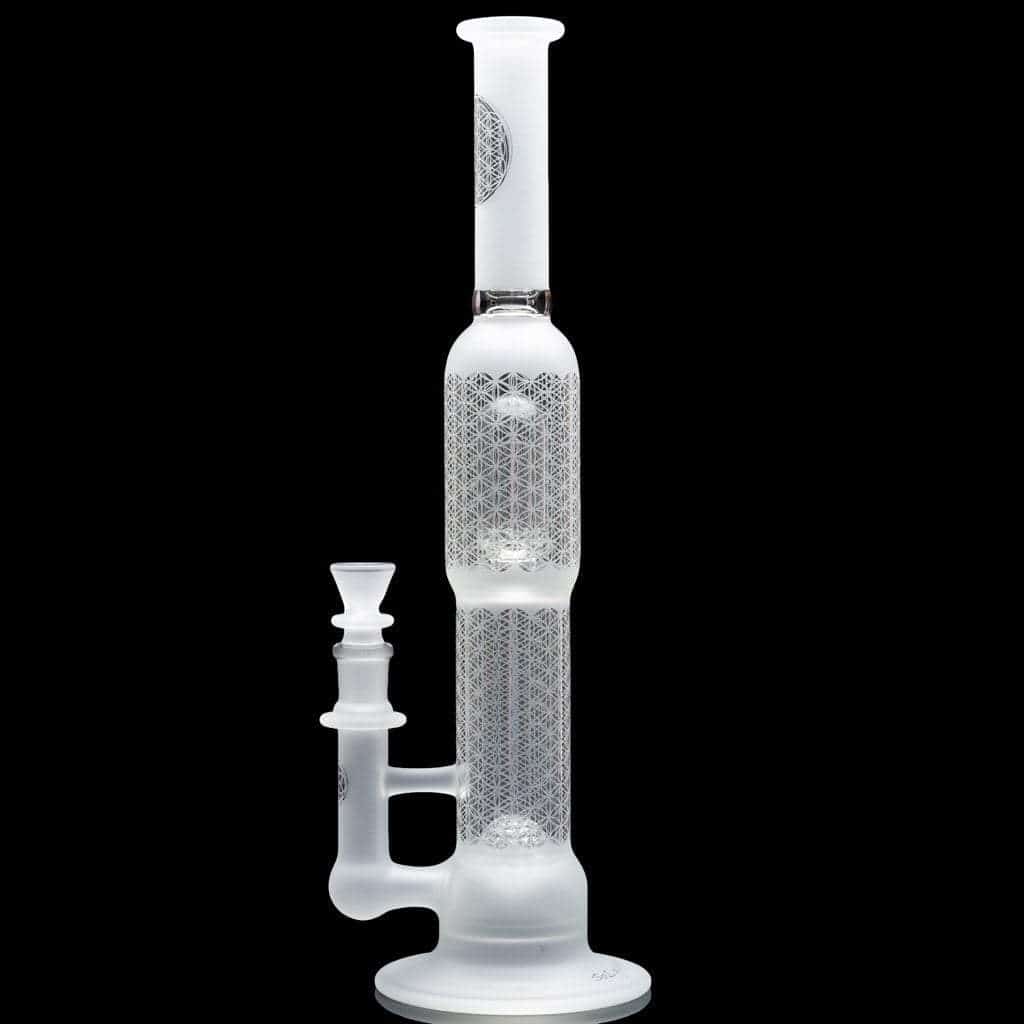
Compare American-made filtration from Kenta Kito Glass, ROOR Tech, Seed of Life Glassworks, Leisure Glass, 2K Glass Art, and other established makers.
Each maker approaches diffusion differently, so use product photos, dimensions, joint size, and the listed perc type to compare function—not the logo alone.
Rinse the bong after each session so residue does not harden inside narrow slits and chambers. For deeper cleaning, use an appropriate bong cleaner, follow the product directions, and rinse thoroughly.
Dense percs and stacked chambers need more attention than simple tubes. Choose a design whose openings and shape let cleaning solution move through every chamber.
Before buying, confirm the bong height, base width, joint size, included bowl, and mouthpiece position. Compact percolator bongs are easier to store, while taller designs can provide more chamber volume.
A bent neck, splash guard, or well-positioned upper chamber can help keep water away from the mouthpiece. Product specifications should make these details easier to compare.
A percolator breaks smoke into smaller bubbles as it passes through water. This increases water contact and can cool and smooth the draw before the smoke reaches the mouthpiece.
There is no single best style. Tree and matrix percs favor broad diffusion, while inline and showerhead designs often provide a more open pull. The right choice depends on your preferred airflow, filtration, and cleaning routine.
Additional percs can increase cooling and diffusion, but they also add resistance and cleaning time. A well-designed single perc can outperform a complicated piece with poorly balanced airflow.
Empty and rinse it after each session, then deep clean as soon as residue begins to collect. Frequent rinsing is especially important for dense percs because narrow slits are harder to clean after buildup hardens.